






















Facility Management Asset Tags and Labels
Track and maintain your assets to keep operations running smoothly.

Improve Tracking. Minimize Risk. Use Asset Tags for Facility Management.
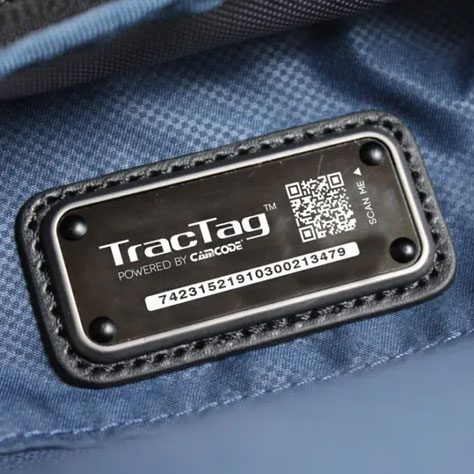
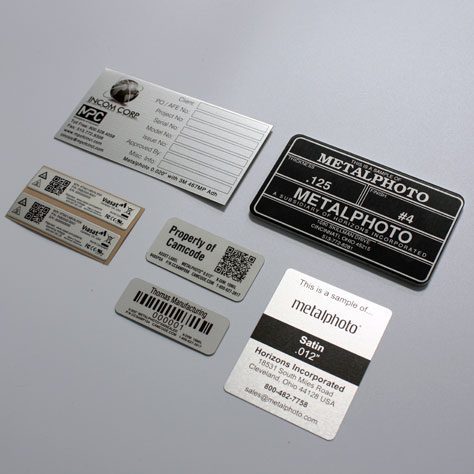
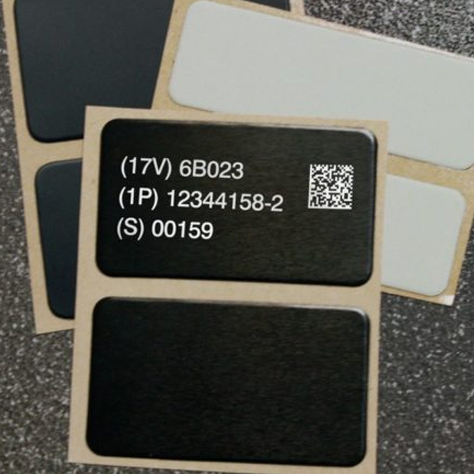
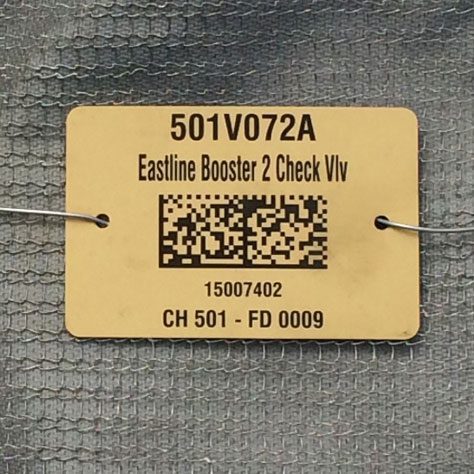
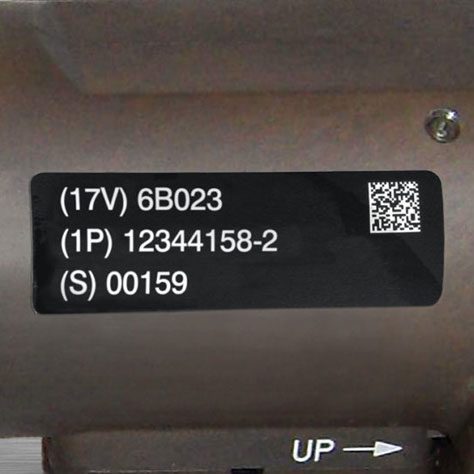
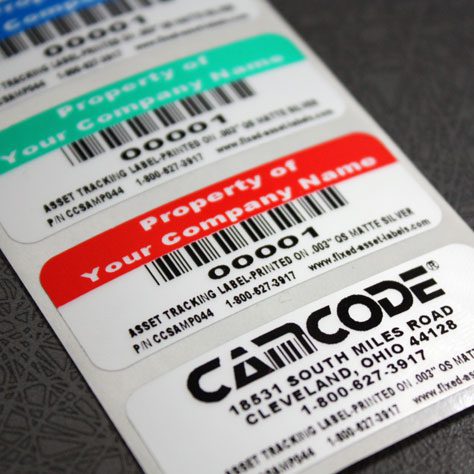
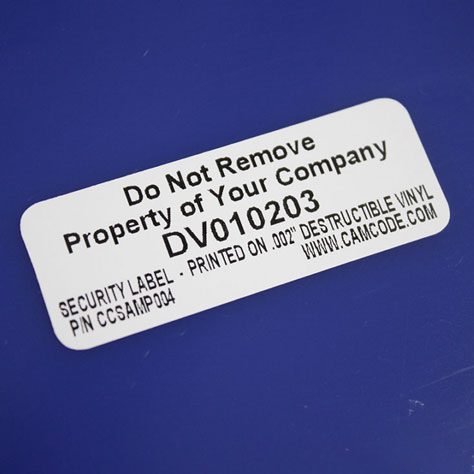
Facility management asset tags give you control over your operations and improve safety, minimize risk, and reduce long-term costs — especially with durable labels designed to meet your specific requirements.
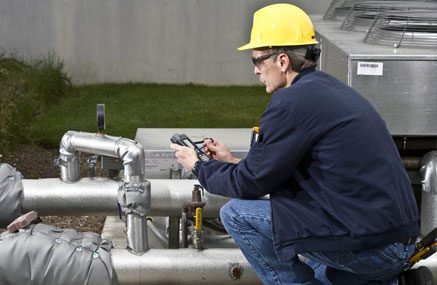
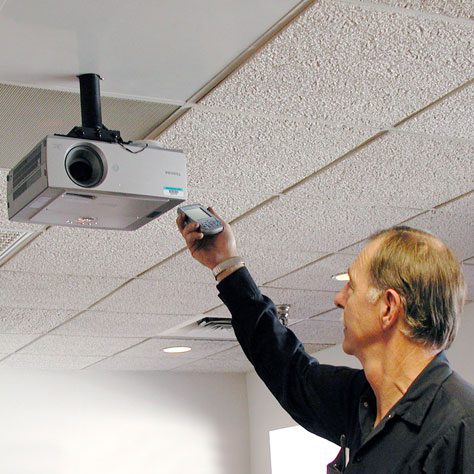
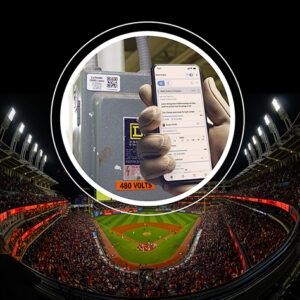
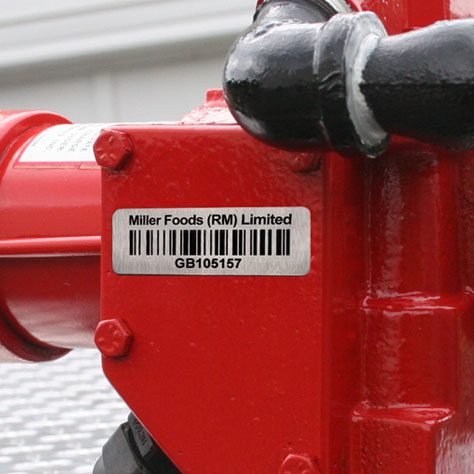
- Use work order tracking to identify building or equipment assets and initiative work orders by simply scanning the barcode.
- Identify measurement points and time/date stamp activities to improve conditions monitoring and reporting.
- Collect data faster and more accurately using asset tags for facility management and leverage automation by integrating seamlessly with your asset tracking software.


Find Your Facility Management Asset Tags
Explore our range of facility management asset tag products, designed for every need in your facility. Don’t see what you need? Our product development team is on standby to design and build your perfect label.


Data Collection, Database Population, And Label Installation Services For Your Asset Tracking Project
Two of the most common barriers to beginning an asset tracking or asset management initiative are the labor hours and costs of reconciling incomplete or inaccurate database information, and installing unique asset labels for a large number of assets. Camcode offers a full suite of on-site data collection, data reconciliation, database population, and label installation services that can help get your asset management system up and running quickly.

Get a Free Maintenance Tracking Label Evaluation Kit
Request a free CMMS label sample kit today and we will send you a kit to test our durable labels and signs in your own operating environment.
Get Facility Management Asset Tags Designed For Your Industry
Whatever your asset management project, our labels help solve your specific industry challenges. Find the asset tags specifically designed for your industry.
“Their service and quality is exceptional.”
“I am extremely pleased with my decision to go with Camcode.”
“We expect efficiency and data accuracy to increase dramatically.”
The barcodes are eliminating mistyped numbers and speeding up the time it takes to accurately manage and track our assets.
Discover Insights for Facility Management
Explore our case studies, blog, buyer’s guides, specification sheets and more — and start learning more about the complex world of asset tracking. View All Resources ›


Keep Operations Efficient with Facility Management Asset Tags
Find exactly what you need. And, if you don’t find it, build it with Camcode. Talk to our team today.
Frequently Asked Questions
Using facility labels for asset management offers several key benefits that can significantly enhance an organization’s operations and asset tracking capabilities.
- Improved Asset Identification and Organization: Facility labels allow for clear and consistent asset identification and data capture throughout a facility or across multiple locations.
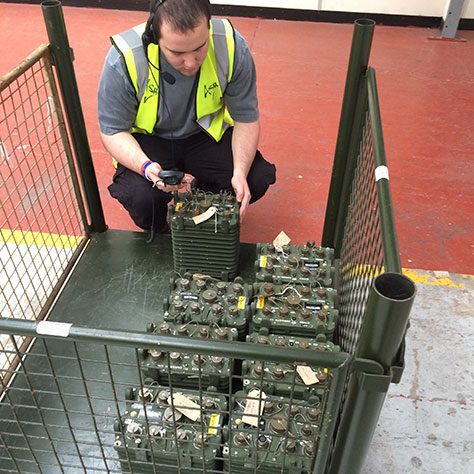
- Inventory Management and Auditing: Barcodes or QR-coded facility labels enable efficient asset tracking and inventory management through scanning technologies.
- Efficient Maintenance and Tracking: When integrated with facility management software or maintenance management software, facility labels enable staff to quickly access important details like maintenance schedules, service due dates, and inspection records, which streamlines maintenance management and all maintenance processes and ensures timely upkeep, reducing downtime and extending the useful lifespan of assets.
- Compliance and Regulatory Adherence: In industries with strict regulations or compliance requirements, facility labels can display crucial information such as safety instructions, hazard warnings, or certification details.
- Safety and Risk Mitigation: Facility labels can include safety warnings, hazard symbols, or operating instructions, which can help prevent accidents, injuries, and potential liabilities associated with asset misuse or mishandling.
Asset tags and labels significantly enhance facility management efficiency through several key functionalities:
- Unique Identification: By assigning unique identifiers like barcodes or QR codes, assets can be easily tracked and their locations recorded in a centralized database, allowing quick location and accounting.
- Preventive Maintenance: Tags/labels can be integrated with maintenance management or facility management software to provide quick access to purchase dates, maintenance schedules, and warranty details. This enables efficient planning and execution of maintenance activities to extend asset lifespans and minimize downtime.
- Inventory Management: Accurate asset tracking helps identify underutilized or obsolete assets for better resource allocation. It also aids in budgeting and forecasting for replacements/upgrades.
The 5 key benefits of facility labels are:
- Improved asset visibility and tracking
- Facilitated preventive maintenance
- Optimized inventory management
- Support for data-driven decision-making
- Improved organization and cost-effectiveness of facility maintenance activities
By implementing asset tags and labels, facility managers can streamline processes, reduce costs, and increase overall operational efficiency.
Yes, facility labels designed for harsh environments can withstand extreme conditions. Many such labels are engineered to be:
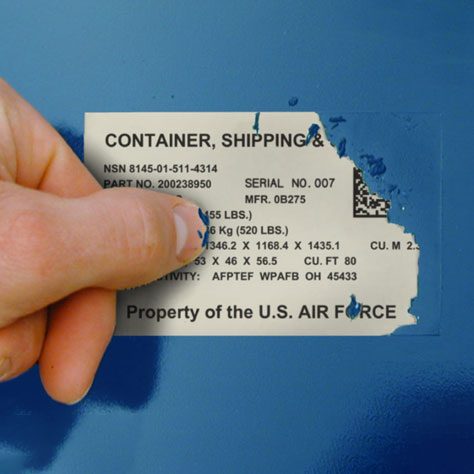
- Weather-resistant to withstand exposure to rain, snow, and sunlight without fading or peeling.
- Heat and chemical resistant to endure high temperatures, chemicals, and industrial solvents.
- Abrasion-resistant with protective laminates or coatings to prevent wear and tear from friction or impacts.
- UV-resistant to prevent fading or discoloration from prolonged UV exposure.
- Made from durable materials like polyester, polycarbonate, or anodized aluminum to maintain integrity in demanding indoor or outdoor environments.
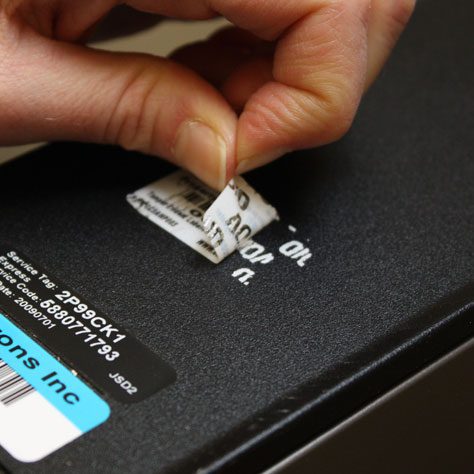
Durable facility asset labels are specifically made to remain legible and affixed to assets for fixed asset tracking for items like equipment, piping, containers, and more despite harsh conditions common in industrial facilities, construction sites, warehouses, and other demanding environments.
Facility asset management systems can be integrated with other IT infrastructure in the following ways:
- Enterprise Resource Planning (ERP) Integration: Asset management systems can be integrated with an organization’s ERP system to synchronize data related to asset procurement, maintenance records, and financial information. This integration enables seamless information flow and eliminates data silos.
- Building Automation Systems (BAS) Integration: Asset management systems can be connected to building automation systems, such as HVAC controls, lighting systems, and security systems. This integration allows for real-time asset performance monitoring and enables predictive maintenance strategies.
- Computer-Aided Facility Management (CAFM) Integration: Asset management systems can be integrated with CAFM software, which helps manage spatial data, floor plans, and real estate portfolios. This integration provides a comprehensive view of assets in relation to their physical locations within the facility.
- Internet of Things (IoT) Integration: Modern asset management systems can integrate with IoT devices, such as sensors and beacons, to enable real-time tracking of asset location, utilization, and condition. This data can be used for predictive maintenance, reliability-centered maintenance and asset optimization.
- Mobile Integration: Asset management systems can be integrated with mobile devices and applications, allowing field technicians and facility managers to access asset information, update maintenance records, and receive alerts while on the move.
- Data Visualization and Analytics Integration: Asset management systems can be integrated with data visualization and analytics tools to generate insightful reports, dashboards, and predictive models based on asset data. This integration supports data-driven decision-making and optimizes asset management strategies.
By integrating facility asset management systems with other IT infrastructure components, organizations can achieve better data transparency, improved operational efficiency, and enhanced decision-making capabilities, ultimately leading to more effective facility management practices.