

































Let’s Talk 800-627-3917
Get Quote › Get Samples ›

Key Takeaways

  • Airport equipment tracking reduces delays and boosts operational efficiency through better asset utilization and proactive maintenance decisions that reduce costs and prevent costly disruptions.
  • Optimal tracking strategy is built upon tamper-proof asset identification, centralized tracking software, and AI-powered insights that deliver real-time visibility and scalability to airports.
  • There were over 4.7 billion air passengers across the globe in 2025 alone. With so many travelers traversing the airport system each year, airports around the world have felt serious pressure to streamline their operations and keep baggage, ground support equipment (GSE), and other critical assets moving.

    Few things halt productivity like lost assets or equipment. That’s why airports of all sizes need an equipment tracking strategy to manage critical assets at scale. Discover why airport equipment tracking is critical, and learn three winning strategies for any airport.

    The Value of Airport Equipment Tracking

    A long row of airport baggage carts (trolleys) lined up inside a terminal

    Photo by Yoga Sukma from Unsplash

    Asset tracking can do more than help you locate a rogue baggage cart. By providing ground crews with visibility into their equipment’s status and location, airport equipment tracking can streamline day-to-day operations. Small efficiencies lead to big impacts over time: reducing average turnaround time by one minute would save the airline industry $1 billion annually.

    Cutting operational costs is always the objective, but equipment tracking can also allow you to:

    • Decrease turnaround time: Equipment can be reassigned to incoming flights faster when it can be located quickly, keeping planes in the air and on schedule.
    • Allocate equipment efficiently: Tracking data helps airport operators easily identify which pieces of equipment are being overutilized, underutilized, or not being used at all. By redistributing equipment as needed, airports can avoid purchasing unnecessary surplus.
    • Predict maintenance issues: Understanding how often and where equipment is used can help airport maintenance teams make informed decisions that reduce unexpected equipment failures.

    Asset tracking has the power to make everyone’s job a little easier. When designing your asset tracking strategy, just remember to keep it realistic and scalable.

    Want a FREE Asset Management Checklist?

    Click the button below to receive a free PDF of our Asset Management Checklist, which contains the critical questions to answer for any tagging project, allowing you to get your maintenance tracking or facility management system up and running faster.
    Get The Checklist ›

    3 Expert Airport Equipment Tracking Strategies

    A jet bridge extending from the terminal to an aircraft parking area

    Photo by Alexander Schimmeck from Unsplash

    Whether you operate a mid-size regional airport or a major international hub, effective airport tracking means you’ll have visibility into all your assets. Follow these tips to take control of your equipment.

    Identify Every Asset with a Label or Tag

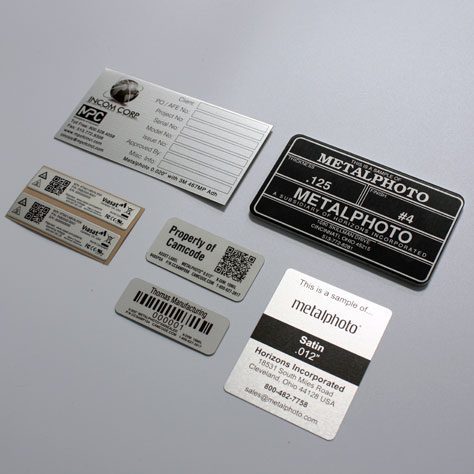
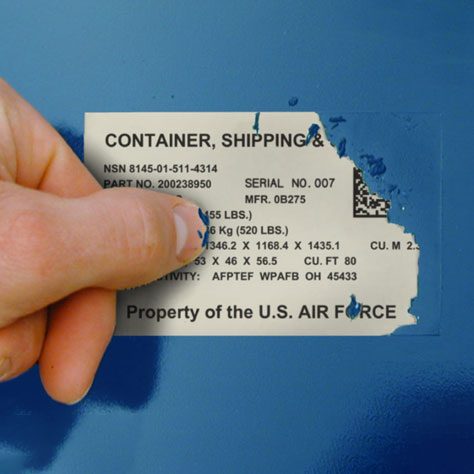
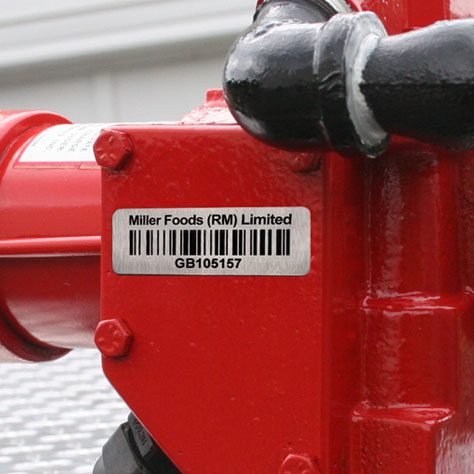
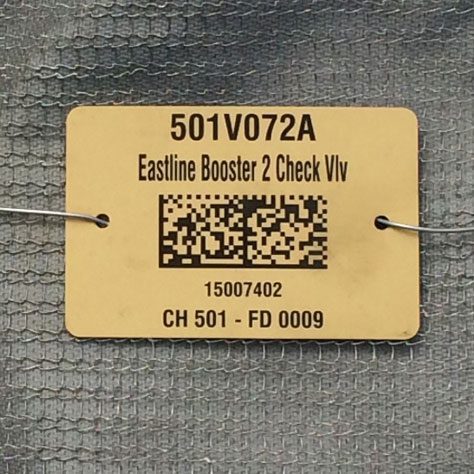
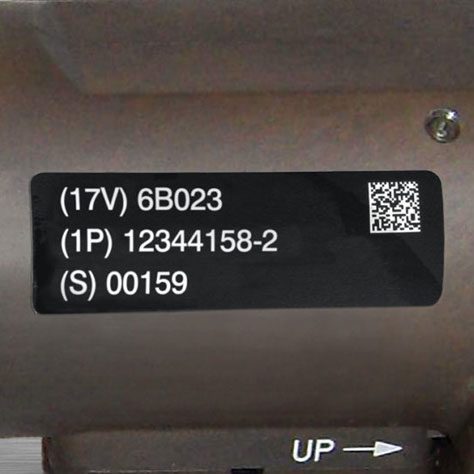
    If you can’t identify an asset, you can’t track it. That’s why every asset at your airport should have durable identification. Camcode’s labels and tags are built to last the lifetime of your equipment, even when exposed to harsh outdoor conditions.

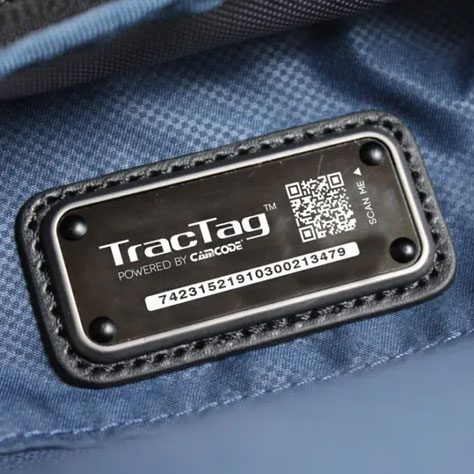
    But label durability isn’t the only consideration when choosing asset labels. You’ll also need to think about which types of labels work best for your equipment. Perhaps a simple barcode or QR code label works for some of your airport assets. These labels are affordable and familiar for teams to scan during audits and maintenance rounds.

    But other assets may benefit from additional technologies too. Consider using:

    • RFID: RFID tags can be helpful when you want quicker, no-line-of-sight reads, or when you need to identify several tagged assets simultaneously. Camcode’s RFID labels include redundant identifiers so each asset has an RFID tag as well as a human- or barcode-readable mark.
    • GPS: Outdoor assets can take advantage of GPS tags, which is ideal for any equipment that tends to move around on the tarmac.
    • BLE Beacons: Because GPS has limited use indoors, many airports use BLE beacons for precise indoor tracking. These assets might include equipment stored inside your terminal or hangars.

    Remember that not every asset at your airport should be tagged the same way. Use as simple of a tag as possible while still providing your teams with the visibility they need. This can ensure you get maximum visibility without breaking your budget.

    Use Tracking Software

    Tags are only half the battle if you want to track equipment in real time. Tags alone won’t fix your equipment tracking challenges if your team is still using spreadsheets to keep tabs on assets.

    A centralized tracking platform allows airport teams one place to view what equipment they have, where it’s located, its condition, and what’s due next. Facility management (FM) software or a computerized maintenance management system (CMMS) can help you:

    • Store asset records and unique IDs
    • Log inspections and maintenance history
    • Track location, assignment and status
    • Schedule preventive maintenance

    Once you have these digital processes in place, it’s easier to eliminate reactive maintenance. Going digital allows you to take control of your operations across all assets.

    Set Up AI Tracking

    Once you’ve implemented a CMMS and populated it with reliable data, you’ll have the information necessary to further simplify equipment tracking through AI. Artificial intelligence can help airport teams:

    • Recognize patterns of use that indicate an asset is being over-utilized or sitting idle
    • Spot maintenance trends to prevent failures from affecting operations
    • Schedule inspections and fixes based on risk or condition

    Some CMMS comes equipped with AI capabilities; check to see if your platform has these features. If your CMMS doesn’t, it’s still beneficial to explore how AI can optimize your equipment tracking process.

    Track Smarter, Operate Better

    Nothing improves airport equipment tracking like clear identification and appropriate monitoring technology. Of course, it all begins with dependable ID. You can’t track equipment locations or record repairs in your CMMS if you don’t have a way to connect the physical and digital worlds.

    Camcode’s durable asset labels and tags help airports everywhere streamline maintenance and operations. Upgrade your systems today: Discover how Camcode’s RFID tags offer airports better visibility.

    Frequently Asked Questions

    Questions about the article? Let us help!

    Our sales engineers are experts in automatic asset tracking, tagging and identification,a nd can answer all your questions. Get in touch now.

    Lets Talk ›

    Keep Operations Efficient with Barcode Asset Tracking Tags

    If you're having trouble finding the ideal tracking solution for your project or organization, build it with Camcode. Talk to our team today.
    LET`S TALK ›