




























Airport Equipment Maintenance Checklist: 5 Essential Items to Extend Equipment Lifespan (with PDF Download)
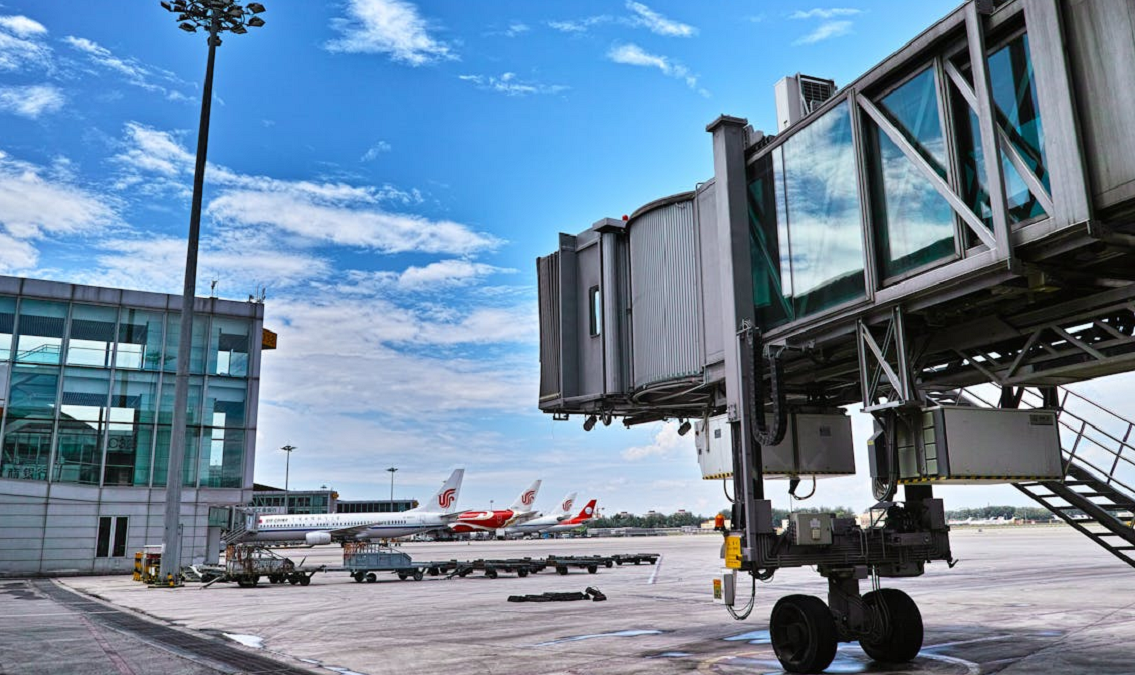


Eventually, all airport equipment will fail. But, the longer you can extend that healthy life cycle, the higher your ROI will be for your airport equipment. Because equipment purchase price only makes up 15 to 20% of your equipment’s lifetime cost, lengthening that lifespan is your best option to cutting costs on maintenance and replacement in the future.
A preventative maintenance plan is one piece of the airport equipment longevity puzzle. To truly maximize how long your equipment will last, your maintenance team should also be equipped with the right tools and equipment to stay organized and protect asset performance. Check out this equipment and tool checklist.
Keeping airport equipment in service longer starts with having the right tools. Ensure your team has these five tools to streamline maintenance and support asset longevity.
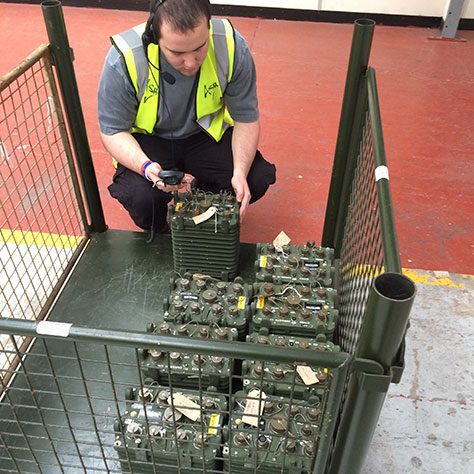
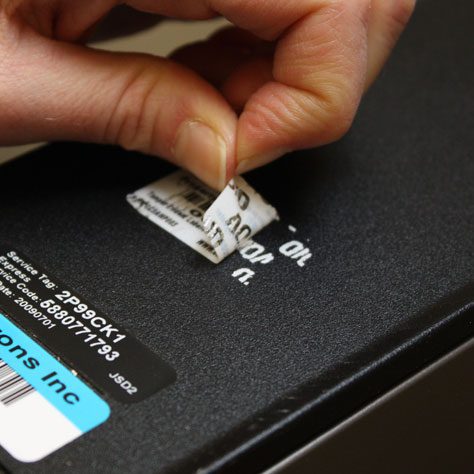
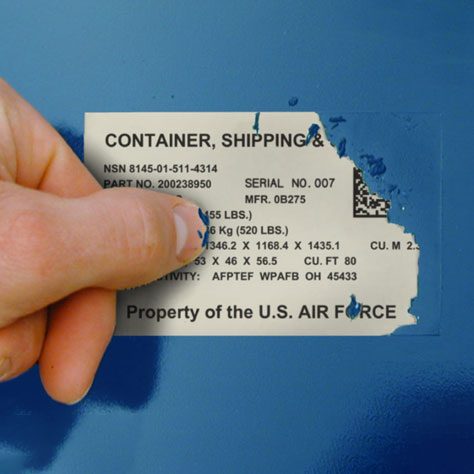
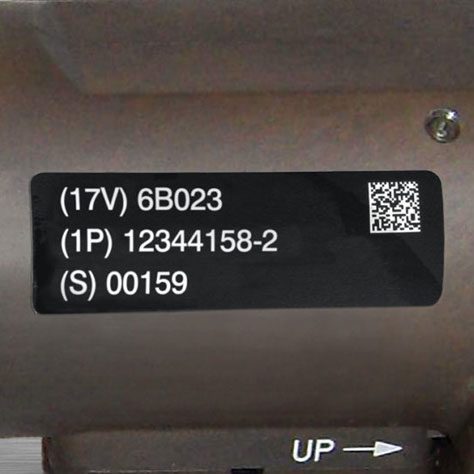
Maintenance is impossible without proper identification and tracking of equipment. Relying on paper labels for your assets will leave you with peeling and faded markings, inaccurate and incomplete maintenance records.
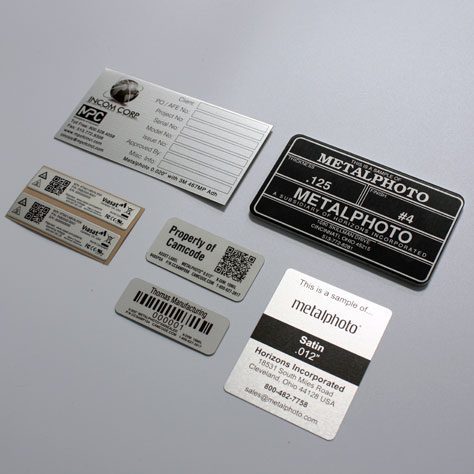
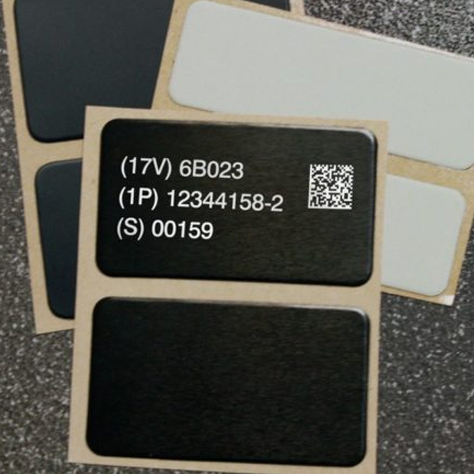
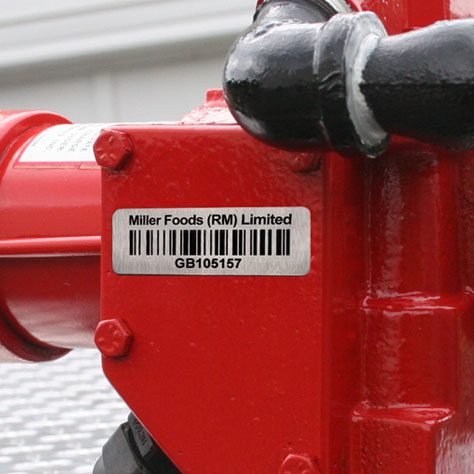
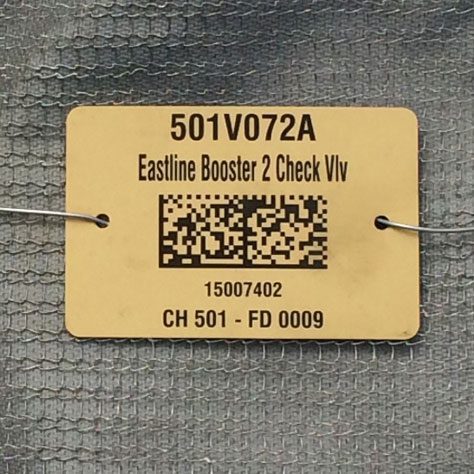
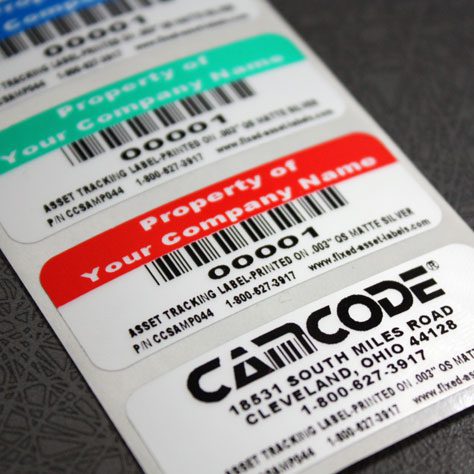
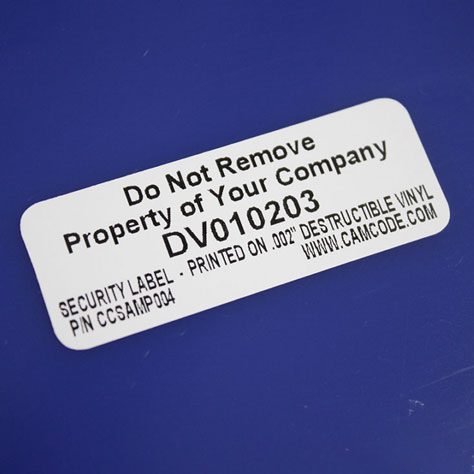
Industrial strength asset tags and labels allow airports to track assets inside terminals, baggage claims, shops and outside loading docks. Assets used in airports face heat/cold, moisture, chemicals, abrasion and frequent handling—challenges that regular labels aren’t built to endure.
Asset labeling solutions like Camcode’s are made to stand up to these challenges. Metalphoto® labels from Camcode are made of anodized aluminum with the data sealed underneath the protective anodic coating. This allows them to withstand UV light, chemicals, temperature extremes, scratches and abrasions.
As a result, your asset identification will last years instead of months. Maintenance teams can pull up service history, inspection schedules and lifecycle information without having holes in their data from lost or damaged labels.
Perhaps most important, durable labels allow you to better execute your overall maintenance management strategy. Labeling that doesn’t fail means your CMMS or EAM system won’t have holes either, allowing for improved compliance, audit readiness and planning for asset end of life.
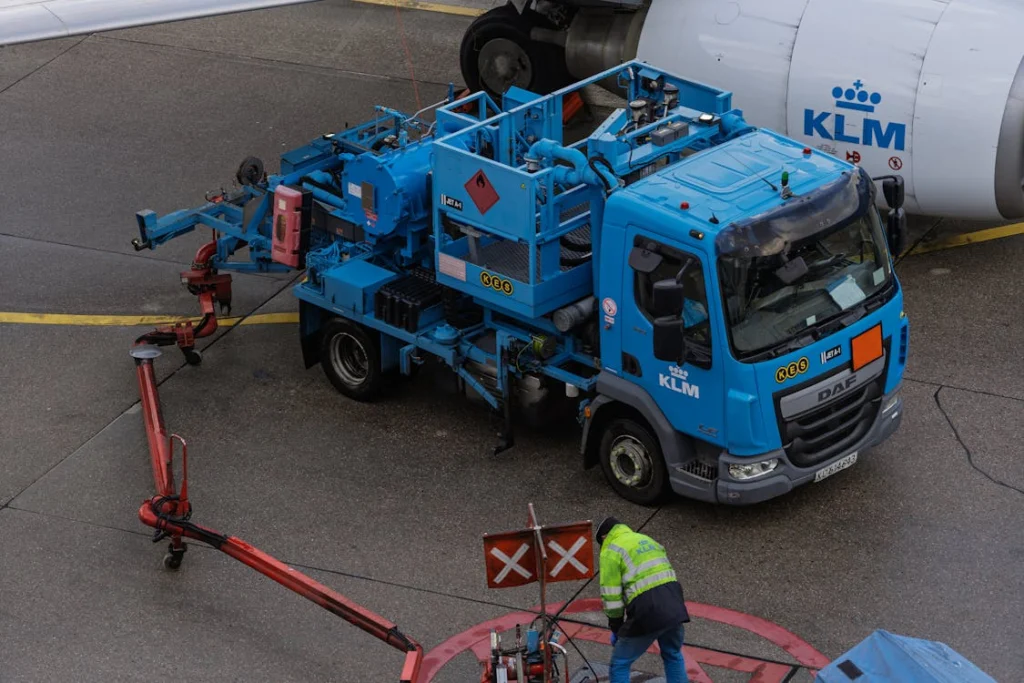
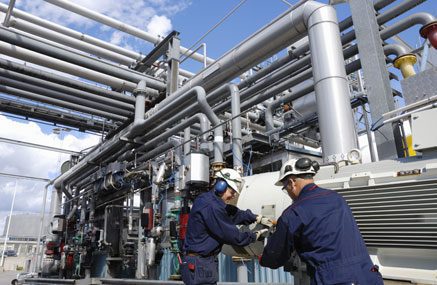
Photo by Martijn Stoof from Pexels
Maintenance isn’t likely to extend asset life if performed reactively. After all, reacting to breakdowns won’t prevent expensive replacements and failures. That’s why proactive approaches like predictive maintenance are catching on at airports worldwide.
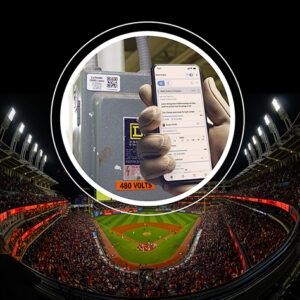
Predictive maintenance is similar to preventive maintenance in that maintenance is scheduled. But instead of following a calendar, predictive maintenance uses sensors and real-time data to customize servicing to match real-world demands. Sensors measure vibration, temperature, runtime, and more so you can nip problems in the bud before equipment fails.
Predictive maintenance can be costly to implement at first. But it’s a worthy investment because it helps you maximize asset lifespan by servicing based on condition rather than date.
When paired with reliable asset identification (through durable labels), this data becomes even more actionable. Each sensor reading can be tied to a specific asset record, improving traceability and decision-making.
Airports are transitioning more of their battery-powered assets away from lead-acid batteries and to lithium-ion. Besides being low maintenance, lithium-ion batteries can extend asset lifecycles when maintained properly and according to the manufacturer’s guidelines.
You’ll find these batteries in handheld devices, scanners and communication devices. Some airports are even implementing lithium-ion batteries with driverless vehicles used around the airfield.
Battery storage is important, too. Aircraft facilities should store lithium-ion batteries in accordance with the manufacturer’s directions, use only approved charging units and monitor batteries for swelling or overheating.
Damaged batteries should be replaced right away. Facility teams can also benefit from clearly labeling battery-powered assets. Detailed labels can help teams track battery types, service dates and battery replacement cycles.
Easy-to-read, durable asset labeling is another factor. By labeling battery-powered equipment with durable labels, teams can keep track of battery type, service date and replacement cycles. Without proper labeling, essential information could be lost as the labels deteriorate.

Battery chargers are one of those pieces of equipment that go unnoticed—until there’s an issue. Erratic charging of battery-powered airport equipment can lead to shorter battery lifespans and service interruptions.
Fast dual-port chargers allow maintenance crews to charge multiple devices at once without congestion. Handheld scanners, radios and testing equipment often use these chargers to keep daily operations running smoothly.
Labeled asset chargers make it simple for teams to track device ownership, maintenance needs, and usage patterns. This can come in handy if multiple teams use the same equipment or if your equipment is used frequently.
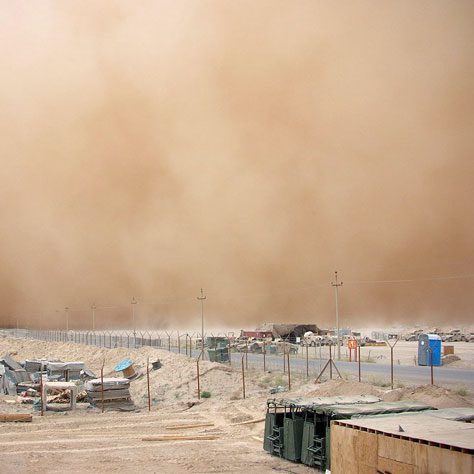
Airports subject equipment to harsh conditions. But protecting assets from extreme temperatures, humidity, and poor ventilation when possible can prolong their lifespan. Assets that aren’t currently in use can degrade if they sit in spaces that are too hot, cold, humid, or have inadequate airflow.
Climate-controlled storage can keep sensitive airport equipment protected from moisture damage, corrosion, warping, and battery deterioration. This is important for storing spare parts, electronics, mobile devices, inspection tools, and seasonal equipment that might be sitting idle for long periods of time.
Durable labeling is still important, even if your assets are stored in climate-controlled environments. Temperature fluctuations and humidity can still break down traditional labels over time, eroding asset visibility. Industrial labels will keep identification and tracking intact, no matter the storage condition.
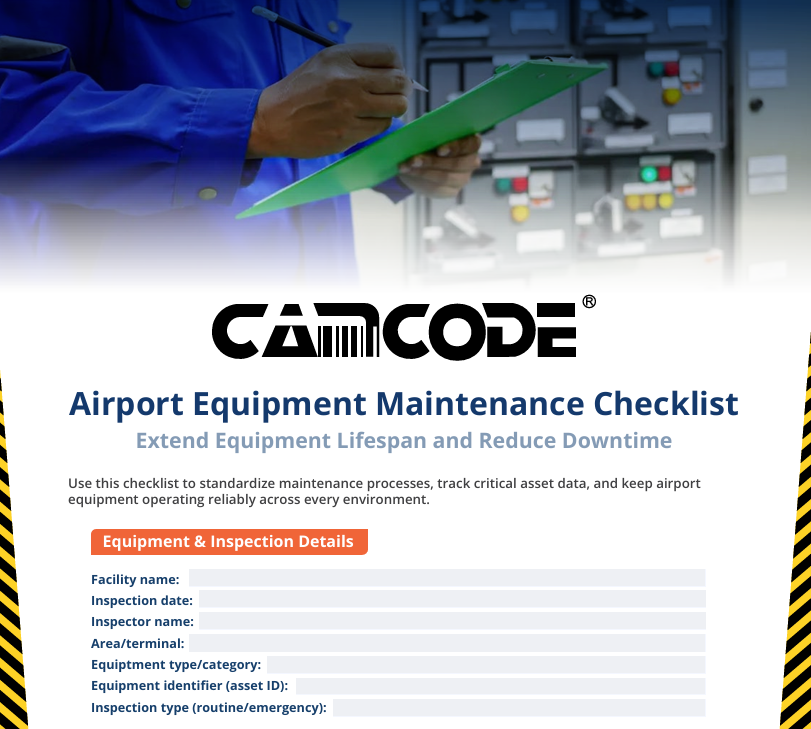
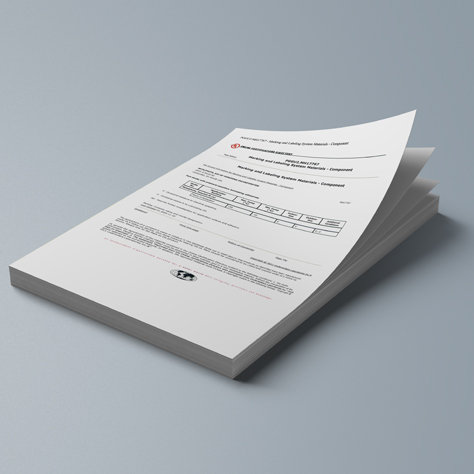
Maintaining equipment at airports requires critical attention across terminals, airfields, and storage facilities to ensure reliable operation. To keep your team organized, we’ve created this free Airport Equipment Maintenance Checklist for download in a PDF format.
This comprehensive airport maintenance checklist was designed around actual airport equipment maintenance workflows. Sections include:
This free checklist also includes fields for notes and observations, follow-up tasks, and more to help you minimize downtime while maximizing the operational life of your airport equipment.
[Download the Airport Equipment Maintenance Checklist (PDF)]
Repairing assets when issues arise won’t improve longevity. Delivering results begins with a proactive, data-driven strategy that shields assets and maintains visibility into critical information over time.
It starts with asset identification you can count on. Industrial labels from Camcode provide airport teams with a strong foundation for any preventive maintenance plan, keeping asset data intact, accessible and ready for audits every step of the lifecycle.
If your labels never fail, your maintenance data won’t either.
Protect more of what’s yours: Request a free Camcode label and tag evaluation kit to see the difference firsthand.
Regular wear and tear is accelerated by excessive use, missed maintenance checks, improper storage, exposure to the elements, and incorrect charging. Those are just a few examples of normal wear and tear.
But maintenance routines are also a factor. Not maintaining accurate asset records and history of service can create another blind spot in your maintenance program that damages asset life.
Typically, a maintenance record will contain:
These are the basic information points that are collected. Some airports may also include information such as warranty, life cycle data, and downtime records to assist with replacement forecasting.
Maintenance teams should be given ample time to repair and inspect equipment. However, there are steps you can take to improve speed and efficiency, such as:
Our sales engineers are experts in automatic asset tracking, tagging and identification, and can answer all your questions. Get in touch now.
Lets Talk ›