























Airport Equipment Monitoring Systems: What to Track and Why It Matters



Airport operations aren’t a guessing game. When essential equipment fails, it creates costly ripple effects, from safety hazards to missed flights and irritated travelers. That’s where airport equipment monitoring systems come in. While specific solutions vary, they all offer real-time visibility into asset condition, location, and performance data.
With a complete view of your equipment at your fingertips, you can do more than just react to costly problems. Whether your goal is to cut costs or prevent them from happening in the first place, equipment monitoring systems help you close critical gaps. Read on to learn about how this IoT-powered solution works and the assets that can benefit from monitoring.

Photo by Erik Odiin from Unsplash
Airport equipment monitoring systems help you keep tabs on your assets’ condition and performance using real-time information from connected IoT sensors, software, and automated alerts. Instead of flying blind or waiting for something to fail before checking it over, you’ll know exactly what’s going on at your airport.
Here’s how airport equipment monitoring systems work:
Sensor data and alerts can help technicians catch problems early to tune, inspect, or shut down malfunctioning equipment before it breaks down or causes serious damage.
For instance, a vibration sensor may alert your team that a motor on a baggage cart is vibrating unusually high. With advance notice, you can decrease downtime by addressing the issue before it becomes a serious problem.
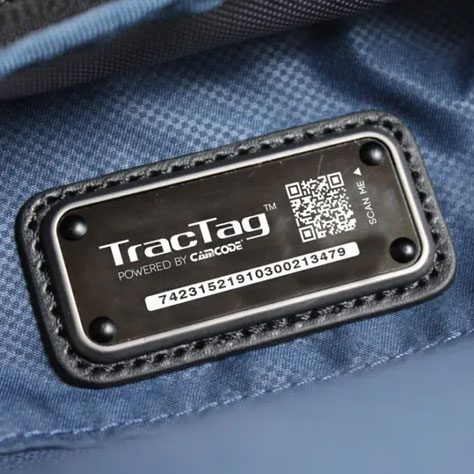
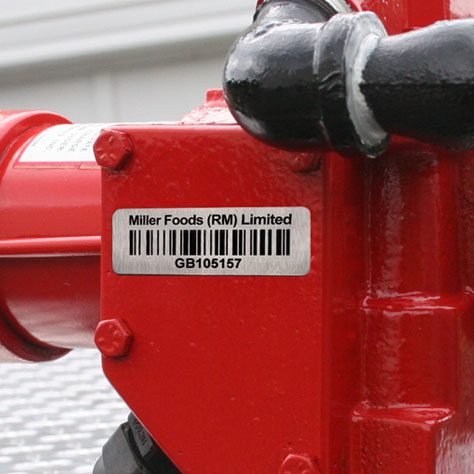
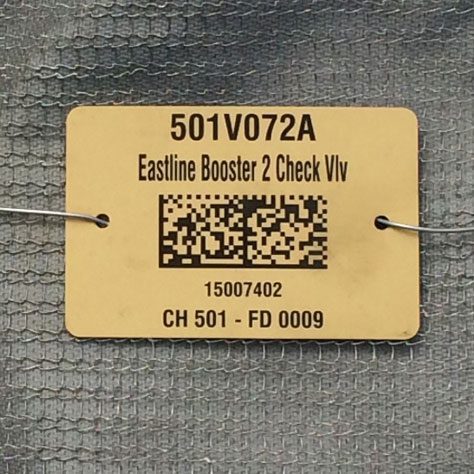
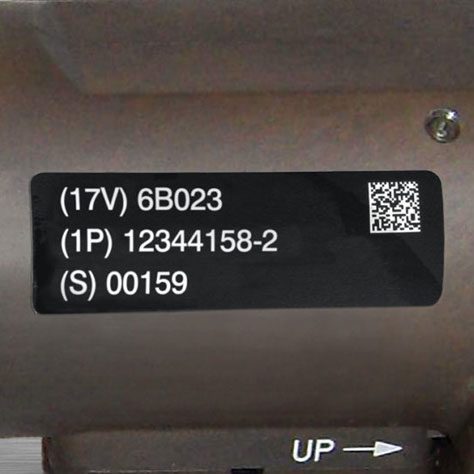
Although IoT software is crucial for streamlining maintenance and troubleshooting processes, airports also need a way to clearly identify assets in the field. That way, maintenance teams can attach sensor alerts and histories to the correct piece of equipment.
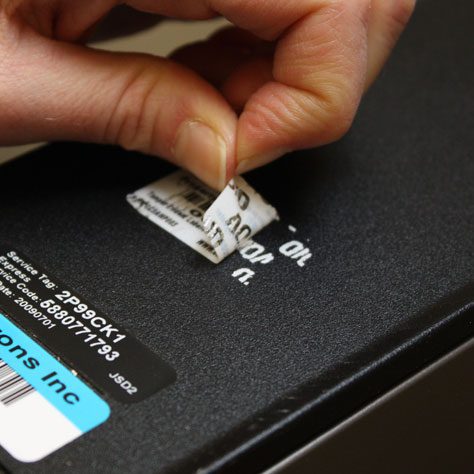
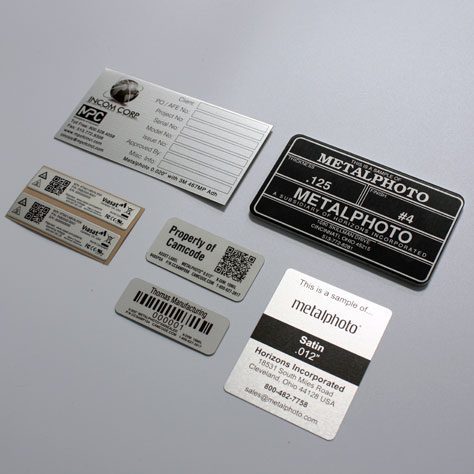
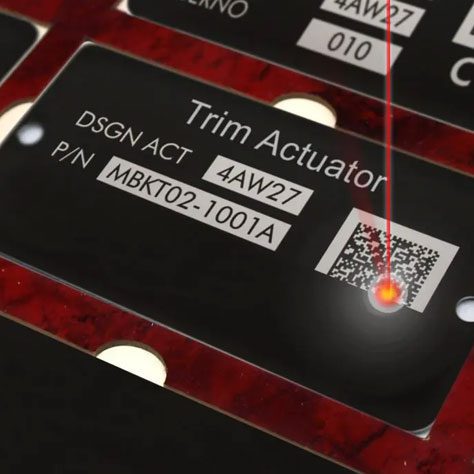
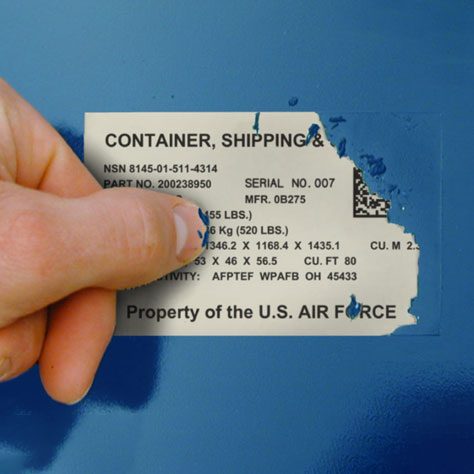
Camcode’s Metalphoto® anodized aluminum labels feature durable, machine-readable barcodes designed to last for decades without fading or cracking. The image is embedded beneath the anodized layer of aluminum, so it won’t peel, scratch, fade, or deteriorate due to chemicals, abrasion, UV rays, or extreme temperatures.
That means IDs, barcodes, and serial numbers will stay readable no matter what your assets endure. They can remain scannable throughout decades of monitoring equipment performance, conducting maintenance, and meeting regulatory compliance requirements.

Photo by Chuttersnap from Unsplash
Ideally you would track everything from pens and janitorial supplies to massive assets like baggage handlers. In practice, you only track your most valuable assets. Every airport will vary on what they focus on, but these are some of the most common assets you can monitor.
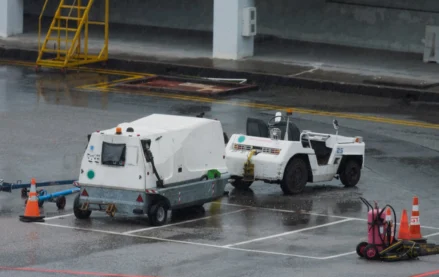
GSE directly impacts your aircraft turnaround time and safety. These assets should be at the forefront of your mind when thinking about equipment to track. Some examples of GSE are:
Because these assets directly service your aircraft, monitoring location and maintaining status can minimize delays and maximize equipment where it needs to be.
These assets spend all day outside exposed to the elements, fuel, hydraulic fluids, and extreme wear and tear. Durable asset tags like anodized aluminum labels won’t fade or peel away after constant use. That means you can rely on them to keep tracking and scheduling maintenance.
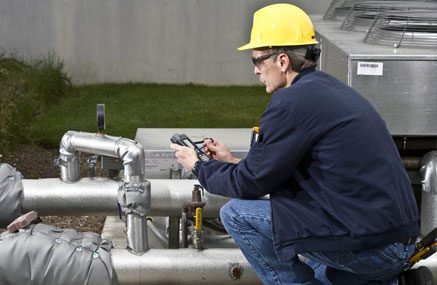
HVAC maintenance isn’t just for comfort; it’s critical for summer and winter safety as well. An airport equipment monitoring system helps maintain HVAC equipment located in terminals, secure spaces, equipment rooms, and everywhere in between.
HVAC systems require routine maintenance, so equipment monitoring makes sure you’re using your HVAC energy efficiently and prevents unexpected downtime.
HVAC equipment is frequently located in extreme conditions like high heat or high moisture areas. That’s why long-lasting labels, such as Camcode’s Extra High Temperature Labels, are critical in these environments.
With durable labels, technicians won’t experience any problems when identifying units, scanning barcodes, and accessing maintenance history.
Passenger boarding bridges are critical assets. One bridge going offline can cause delays and flight schedule impacts.
Systems track availability and utilization, maintenance needs and more, but so does proper identification. Use permanent labels designed for the harshest environments on boarding bridges so they’re properly identified during audits, inspections and service events.
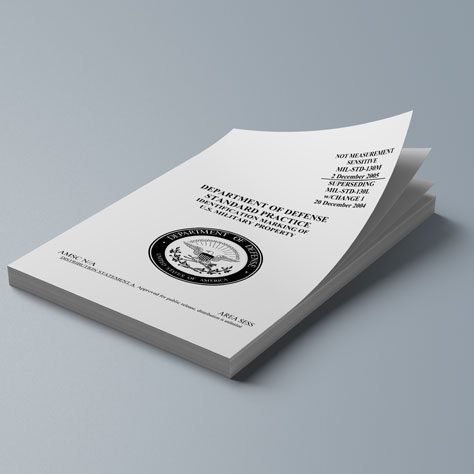
Labels that meet rigorous durability and legibility standards can help airport operators adhere to compliance mandates and stay ready for audits.
Airport equipment monitoring solutions can do much more than keep tabs on your assets. Equip your team to make quicker decisions and maximize the lifespan of your equipment. By continuously monitoring asset conditions, you can stop just reacting to problems and start preserving what you already have.
But first, you need a way to connect the physical world with digital data. That’s where durable asset tags and labels come into play. Camcode’s industrial-grade labels and tags are built to help airports create a stronger infrastructure for equipment monitoring.
Better monitoring starts with better identification: See how Camcode’s labels and tags can help your airport track with more confidence.
Yes. Since monitoring is done in real time, equipment failures can be detected before they become larger issues. Warning signs like overheating, abnormal vibration or pressure, or decreased performance can be addressed before they escalate. Technicians have the opportunity to repair smaller problems which can decrease downtime and service disruptions.
Definitely. Assets don’t always have to be stationary to be monitored. Airport equipment monitoring systems can track tugs, baggage carts, belt loaders and GSE as they move around the airport. Having the ability to track where equipment is and if it’s in use can allow teams to see when it’s available and may need maintenance.
No. An airport equipment monitoring system is something that works in conjunction with either a CMMS or EAM. The sensors and monitoring software collects real-time data for your teams to analyze, and that information can be sent to your maintenance or asset management system for recordkeeping.
Our sales engineers are experts in automatic asset tracking, tagging and identification,a nd can answer all your questions. Get in touch now.
Lets Talk ›