



























3 Winning Airport Equipment Tracking Strategies



There were over 4.7 billion air passengers across the globe in 2025 alone. With so many travelers traversing the airport system each year, airports around the world have felt serious pressure to streamline their operations and keep baggage, ground support equipment (GSE), and other critical assets moving.
Few things halt productivity like lost assets or equipment. That’s why airports of all sizes need an equipment tracking strategy to manage critical assets at scale. Discover why airport equipment tracking is critical, and learn three winning strategies for any airport.
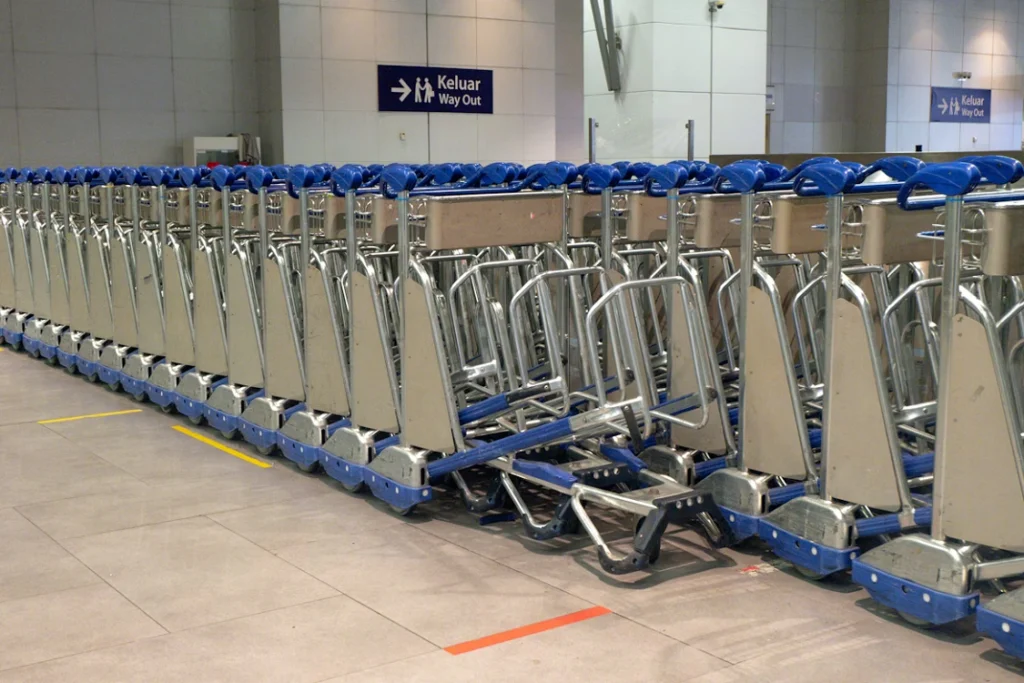
Photo by Yoga Sukma from Unsplash
Asset tracking can do more than help you locate a rogue baggage cart. By providing ground crews with visibility into their equipment’s status and location, airport equipment tracking can streamline day-to-day operations. Small efficiencies lead to big impacts over time: reducing average turnaround time by one minute would save the airline industry $1 billion annually.
Cutting operational costs is always the objective, but equipment tracking can also allow you to:
Asset tracking has the power to make everyone’s job a little easier. When designing your asset tracking strategy, just remember to keep it realistic and scalable.
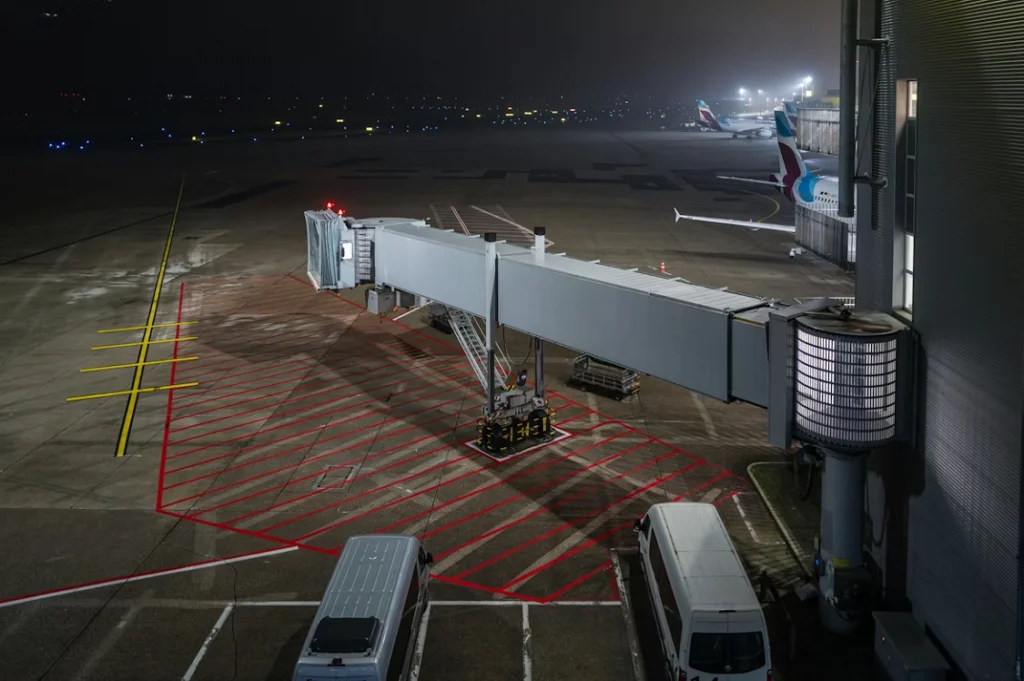
Photo by Alexander Schimmeck from Unsplash
Whether you operate a mid-size regional airport or a major international hub, effective airport tracking means you’ll have visibility into all your assets. Follow these tips to take control of your equipment.
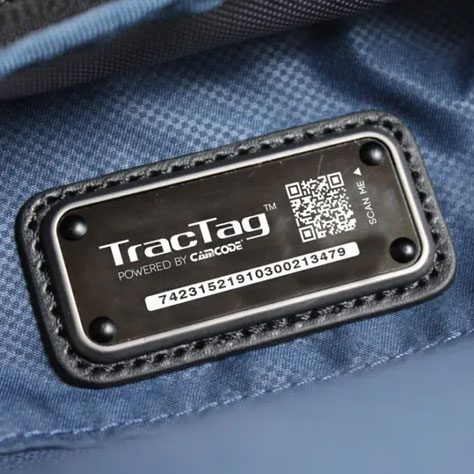
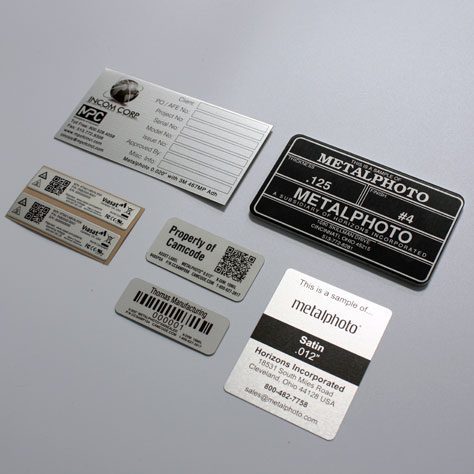
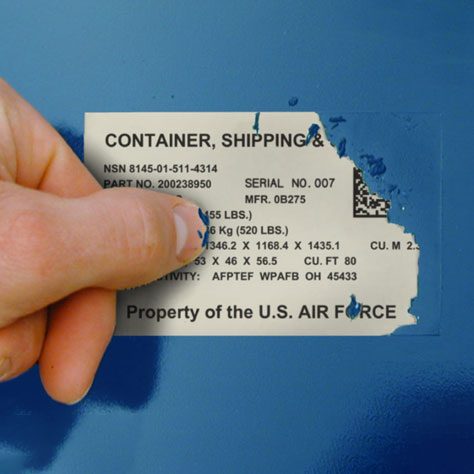
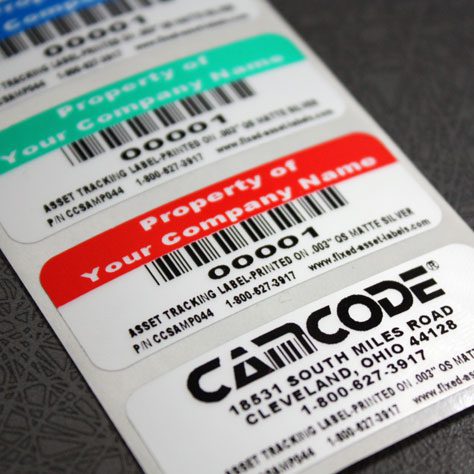
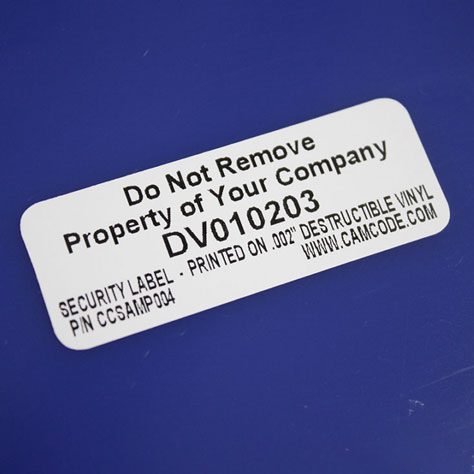
If you can’t identify an asset, you can’t track it. That’s why every asset at your airport should have durable identification. Camcode’s labels and tags are built to last the lifetime of your equipment, even when exposed to harsh outdoor conditions.
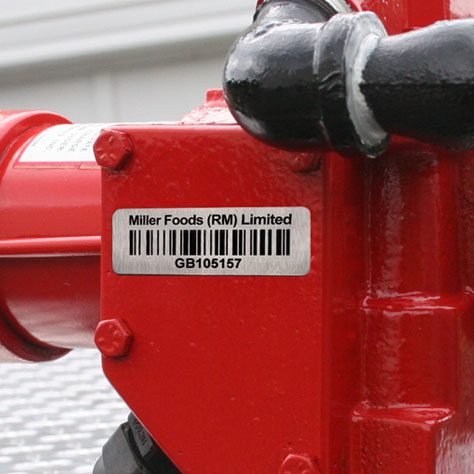
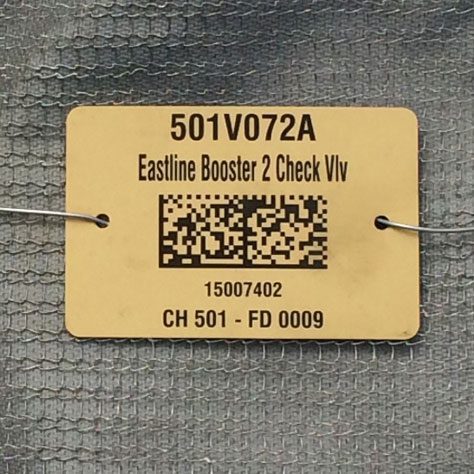
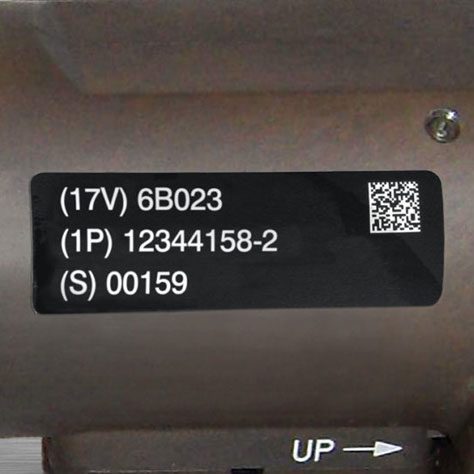
But label durability isn’t the only consideration when choosing asset labels. You’ll also need to think about which types of labels work best for your equipment. Perhaps a simple barcode or QR code label works for some of your airport assets. These labels are affordable and familiar for teams to scan during audits and maintenance rounds.
But other assets may benefit from additional technologies too. Consider using:
Remember that not every asset at your airport should be tagged the same way. Use as simple of a tag as possible while still providing your teams with the visibility they need. This can ensure you get maximum visibility without breaking your budget.
Tags are only half the battle if you want to track equipment in real time. Tags alone won’t fix your equipment tracking challenges if your team is still using spreadsheets to keep tabs on assets.
A centralized tracking platform allows airport teams one place to view what equipment they have, where it’s located, its condition, and what’s due next. Facility management (FM) software or a computerized maintenance management system (CMMS) can help you:
Once you have these digital processes in place, it’s easier to eliminate reactive maintenance. Going digital allows you to take control of your operations across all assets.
Once you’ve implemented a CMMS and populated it with reliable data, you’ll have the information necessary to further simplify equipment tracking through AI. Artificial intelligence can help airport teams:
Some CMMS comes equipped with AI capabilities; check to see if your platform has these features. If your CMMS doesn’t, it’s still beneficial to explore how AI can optimize your equipment tracking process.
Nothing improves airport equipment tracking like clear identification and appropriate monitoring technology. Of course, it all begins with dependable ID. You can’t track equipment locations or record repairs in your CMMS if you don’t have a way to connect the physical and digital worlds.
Camcode’s durable asset labels and tags help airports everywhere streamline maintenance and operations. Upgrade your systems today: Discover how Camcode’s RFID tags offer airports better visibility.
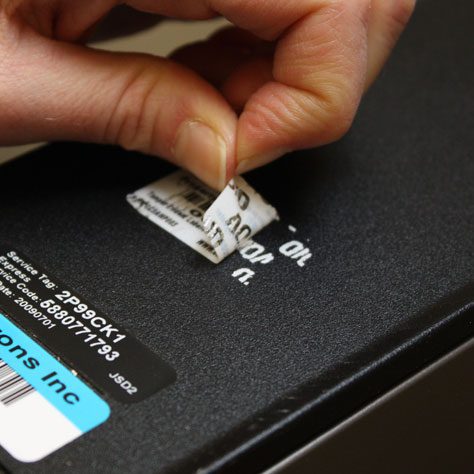
Airport environments are tough on labels. Asset tags need to endure weather elements, abrasion, chemicals, extreme temperatures, and constant handling. That’s a lot to ask for, which is why choosing tags that are specifically rated for durability and permanent applications will help you eliminate flaking or fading, even outdoors.
Not necessarily. Typically, airports will implement a system in stages. They may initially label assets for one department or location. From there, they may decide to broaden the use of their new system to additional tasks or deploy options like RFID labels. Taking baby steps with your equipment tracking system can help you conserve resources and allow time to establish your equipment tracking processes.
Any system you choose should do more than house assets in a database. It should tie an asset’s identification to its location, condition, maintenance records, and status. You should be able to use that data to its fullest in your day-to-day operations.
Our sales engineers are experts in automatic asset tracking, tagging and identification,a nd can answer all your questions. Get in touch now.
Lets Talk ›