



























4 Equipment Asset Management Best Practices for Airports



Airports are complex facilities with many moving pieces. Ground support equipment, baggage handling systems, tool inventories and even airport infrastructure itself all require organization and maintenance. Managing these assets at scale can seem nearly impossible, especially for overstretched airport maintenance teams.
Instead, airports should aim to centralize equipment asset management operations across the airport. Discover why equipment asset management is critical to airport operations and learn proven best practices to take control of your equipment.

Photo by 123Duo3 from Unsplash
Without equipment asset management, you put your operation at risk of running out of critical equipment when you need it most. Not only does that drive up costs, but it also damages the passenger experience.
By contrast, when airports implement a centralized approach to equipment asset management they can:
Knowing where equipment is located in an airport is a good start, but effective asset management requires more than just finding equipment. Follow these best practices to strengthen operations and get more value from the equipment you depend on.
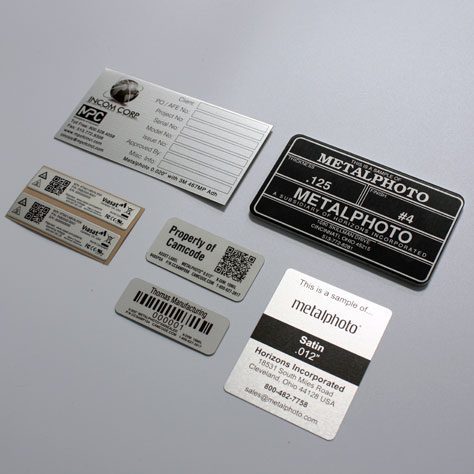
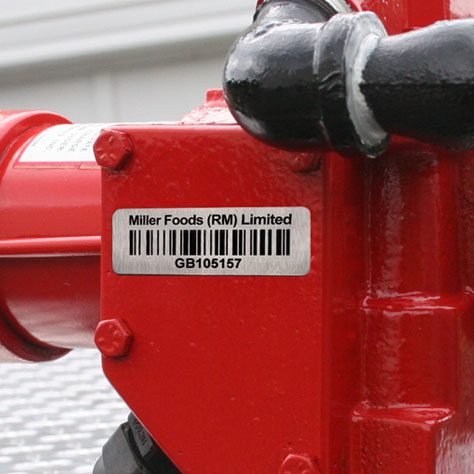
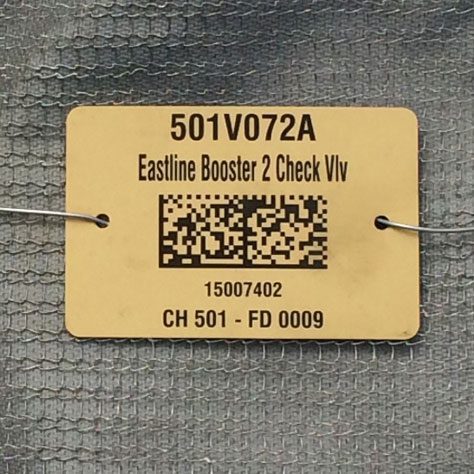
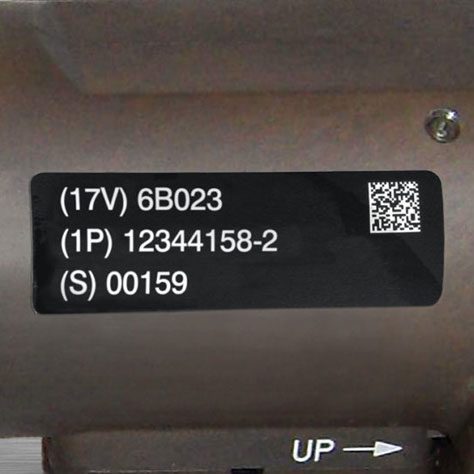
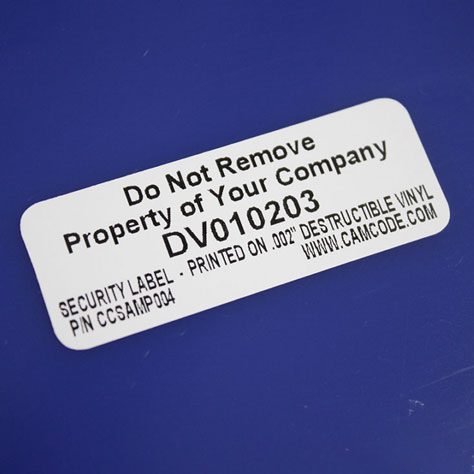
Identification labels equip techs with important information like manufacturer details and unit numbers. Assets with scannable labels like barcodes, QR codes, or RFID simplify the process of connecting physical assets to digital service records for maintenance teams.
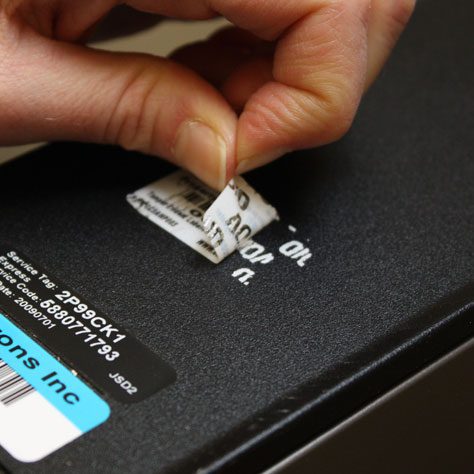
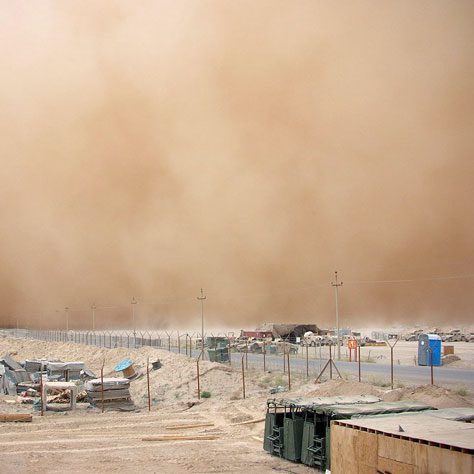
But paper labels won’t cut it at the airport. Extreme weather, chemicals, abrasion and heavy use challenge airport assets at every turn.
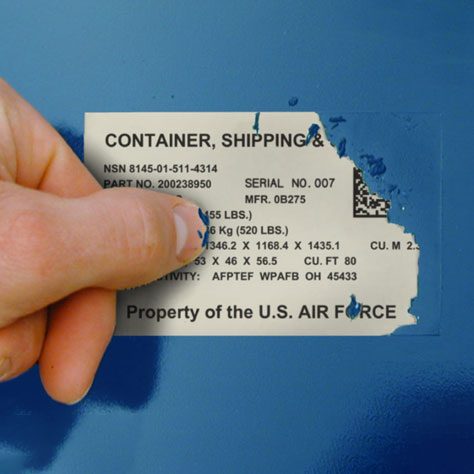
Labeling equipment provides techs with critical information, such as manufacturer
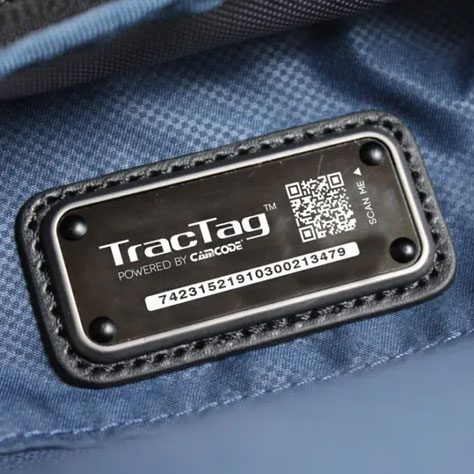
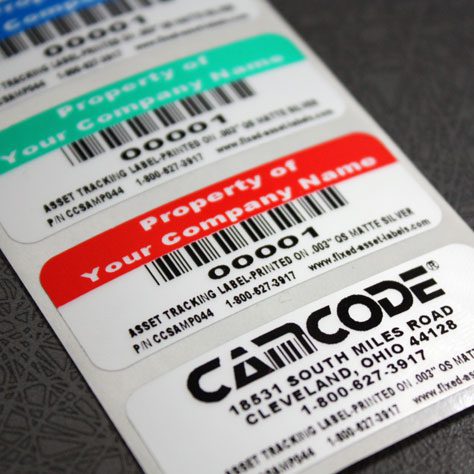
Camcode’s industrial labels and asset tags are built to last your asset’s entire lifetime, even in the toughest conditions. Our Metalphoto® labels are made from anodized aluminum which seals the image inside a layer of the aluminum. This makes the labels:
In the field, we generally see these labels lasting 20+ years, some lasting longer than the asset itself. You can be confident your asset information will stay scannable and readable for decades.
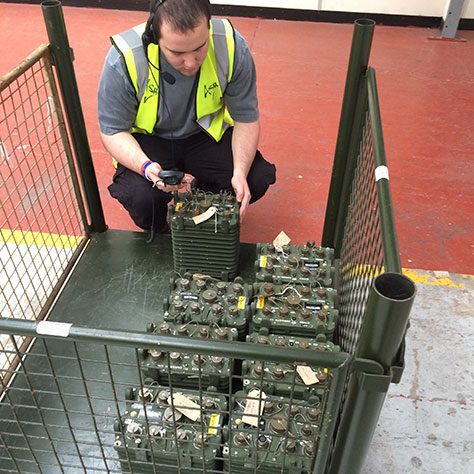
For high volume or high speed assets, Camcode has RFID labeling options. Asset teams can scan assets without requiring line-of-site, making them ideal for use in equipment yards, baggage handling and MRO facilities.
Labels can’t remember your assets’ full service history. That’s why smart airports feed all of their equipment maintenance records into a computer-aided facilities management (CAFM) or computerized maintenance management software (CMMS) solution.
A CAFM or CMMS will bring visibility into one centralized location and create a single source of truth for every piece of equipment at your airport. From belt loaders to tugs, airport personnel can find what they need instead of digging through spreadsheets, paper files, or other departments to find it.
By integrating durable asset labels with your CAFM or CMMS, you ensure every scan pulls from and writes to an accurate, auditable database. Accurate recordkeeping is crucial when audits of your documentation are a possibility.

Photo by Jonathan Marchant from Unsplash
Maintenance teams that run efficient airports don’t see assets as they are in the present moment. Consider an asset’s current condition as well as its entire lifecycle. Lifecycle monitoring allows you to plan proactively instead of reacting when equipment breaks down. You can make data-driven decisions that factor in total cost of ownership.
Airports should have a projected lifecycle for equipment. They should know how long an asset will be able to perform as expected. They should know when something will need to be repaired or replaced. They should understand how that factors into budgeting and airport operations.
It all starts with permanent labeling. Labels that only last a couple years aren’t built for lifecycle tracking. Invest in labels that will allow data to move with your assets from acquisition to decommission.
Fact-based maintenance relies on data, not assumptions. Maintenance and equipment performance metrics are simple to track when using a CAFM or CMMS solution that records performance over time.
Mean Time Between Failures (MTBF) and Mean Time To Repair (MTTR) are two of the most helpful metrics. MTBF shows how frequently equipment fails while MTTR tracks how long it takes to return equipment to operational status.
Effective labeling ensures each piece of data is linked to the correct asset. If your labels fade, your metrics will be off.
Airport equipment asset management can be difficult, but these best practices will help your maintenance department operate more smoothly and proactively. The right combination of rugged labels and performance tracking can keep critical equipment up and running with minimal unexpected downtime.
No matter your specific processes, durable labels and tags are an integral part of tracking physical assets in a digital system. Camcode’s rugged asset tags, labels, and RFID solutions are designed to help airports track equipment accurately in harsh environments. Request your free label and tag assessment kit and see what Camcode can do for you.
Any equipment that’s critical to your operations, safety, or compliance should be tracked in your asset management program. That usually consists of:
Ultimately, if downtime, expenses, or safety are impacted by an asset, it should be included in your program.
Every airport should be auditing their inventory somewhat regularly, but you don’t need to audit as often as you check in. The exact frequency depends on your airport’s size and what assets you have.
Most airports do a combination of spot checks and full audits. Equipment should be checked daily in a spot check before every shift to confirm it’s functioning properly. An entire audit may only be necessary once or twice a year.
RFID tags tend to cost more than barcodes, so most airports only use them for certain assets. They’re typically only used for quickly scanning a large volume of assets. If you won’t be scanning things with line-of-sight at your airport, RFID is a good fit.
Asset management programs should track any equipment that’s critical to operations, safety, or compliance. That usually includes:
Ultimately, if an asset affects uptime, cost, or safety, it should be part of the program.
All airports need to audit inventory somewhat regularly, but the specific schedule depends on the size of your airport and your assets. Most airports have a mix of spot checks and scheduled audits. Equipment needs daily spot checks before each shift to ensure it’s in working order, while you may need to conduct a full audit once or twice a year.
RFID tags are more expensive, so most airports use them only for specific equipment rather than for all their assets. They’re usually reserved for tracking a lot of assets quickly, especially if line-of-sight scanning isn’t practical at your airport.
Our sales engineers are experts in automatic asset tracking, tagging and identification,a nd can answer all your questions. Get in touch now.
Lets Talk ›