






















How to Build a Highly Effective Airport Facilities Maintenance Plan
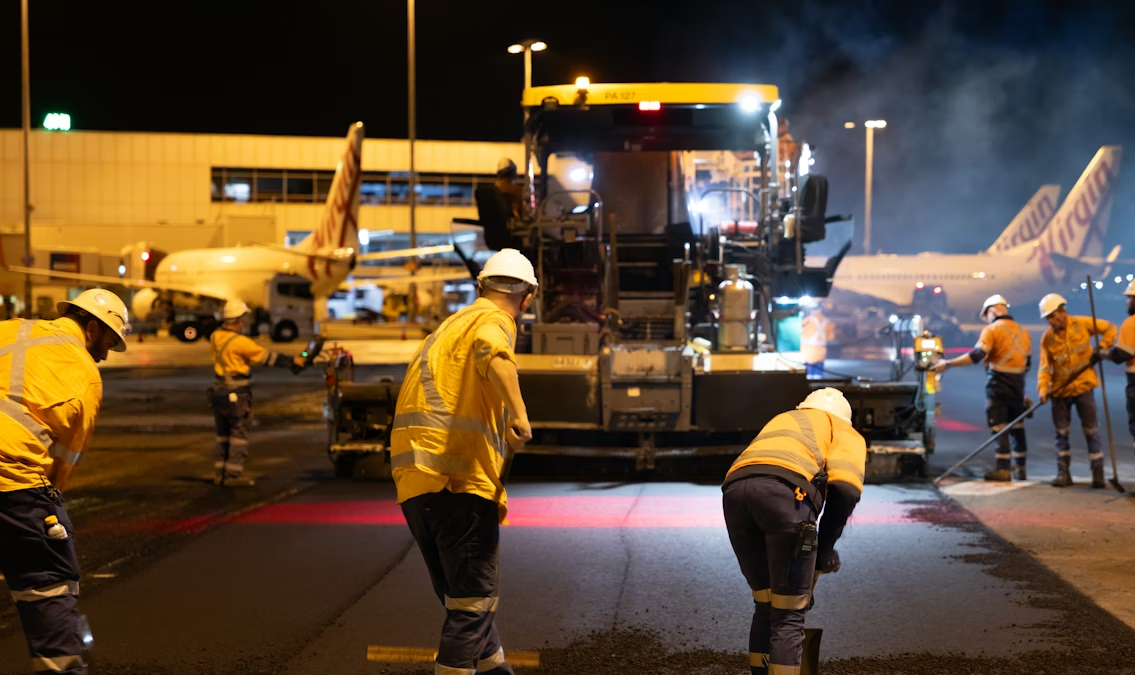


Airports are complex operations with little margin for error. These facilities demand round-the-clock maintenance, from the terminal down to airside equipment and building structures. Maintenance workers maintain everything from cleaning services to your HVAC and plumbing. However, these assets can be impossible to keep up with if you don’t have an organized plan of attack.
That’s where an airport facilities maintenance plan comes in. This strategy covers everything from every lightbulb to your runways all in one easy-to-manage system. Read on to find out why preventative maintenance is so important and six tips for creating a strong plan.
Why sweat unexpected repairs when you can have a proactive plan to keep critical airport facilities up and running? An airport facilities maintenance plan will allow you to:
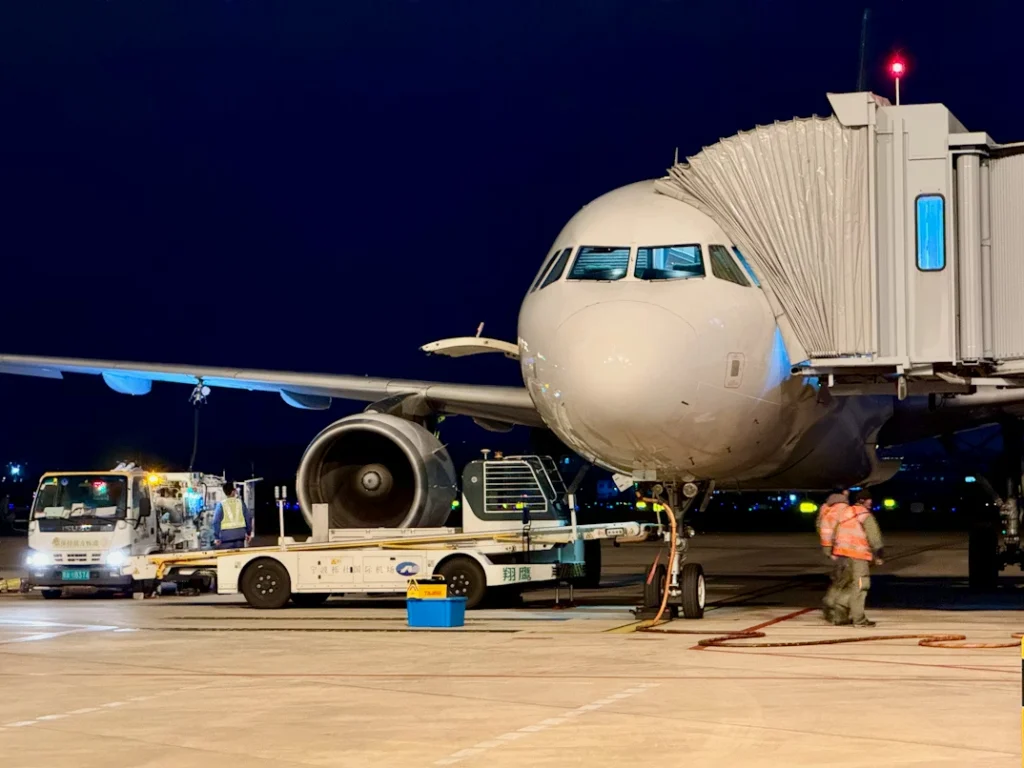
Photo by Sean Wang from Unsplash
Whether you have five facilities managers or fifty, successful maintenance relies on documented processes, not memory. Create a proactive maintenance plan that minimizes downtime and maximizes accountability with these 6 steps.
Jumping into a maintenance schedule without goals won’t get you far. Start by identifying all of the airport standards, regulations and operating requirements you need to maintain. Once those are laid out, build your maintenance goals around the outcomes that are most important to your operation, like:
Who’s responsible for what is also important to define. Determine which tasks should be managed by your in-house team and which ones you should hire out.
Next, build your asset registry. Make sure you include all systems and infrastructure critical to airport operation. Your list should include, but not be limited to:
Airport drawings, facility logs, and maintenance history can help you identify anything you may have missed. When adding each asset to your computerized maintenance management system (CMMS), be sure to include as much information as possible.
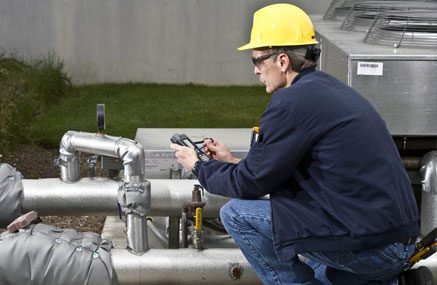
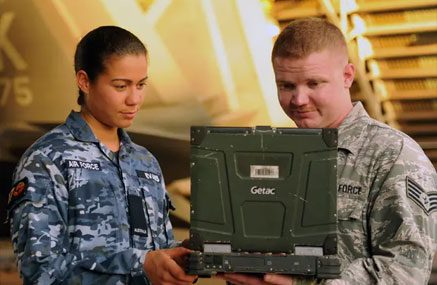
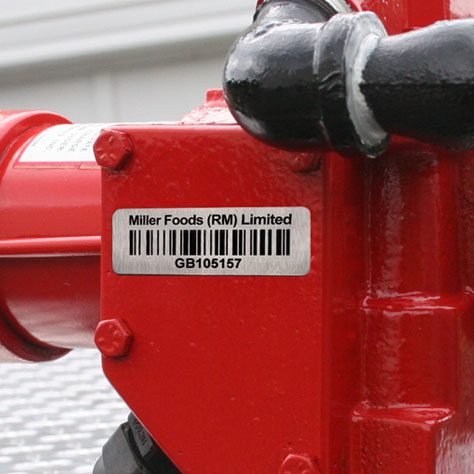
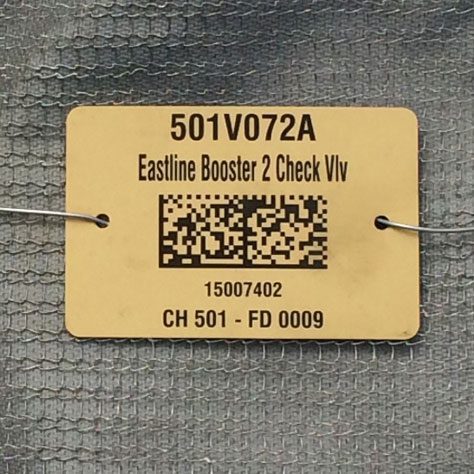
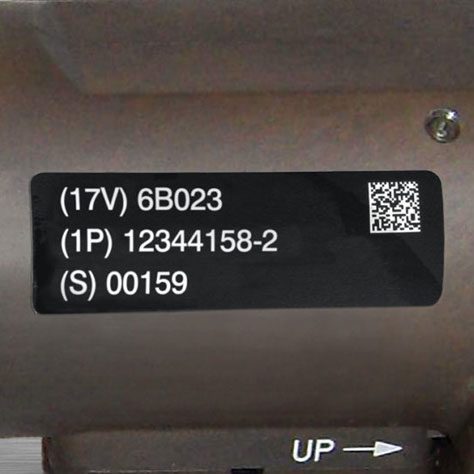
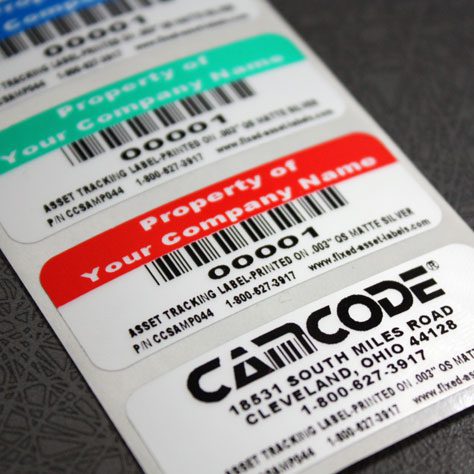
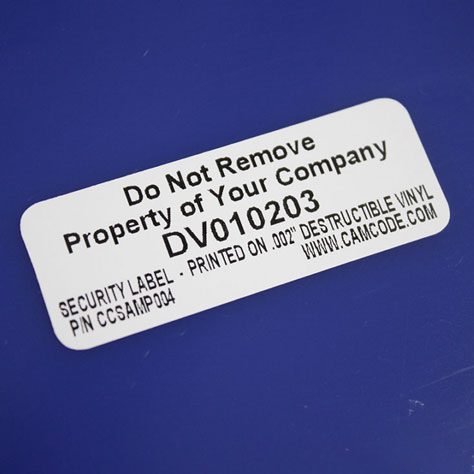
Airport maintenance goes beyond what can be tracked in spreadsheets. Industrial-grade asset tags and equipment labels allow technicians to have critical information at their fingertips while in the field. Whether it’s service information on an HVAC unit label, filter sizes, or important contact information, teams have what they need to react with less errors.
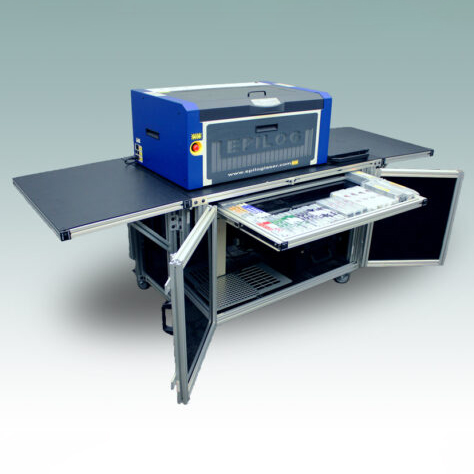
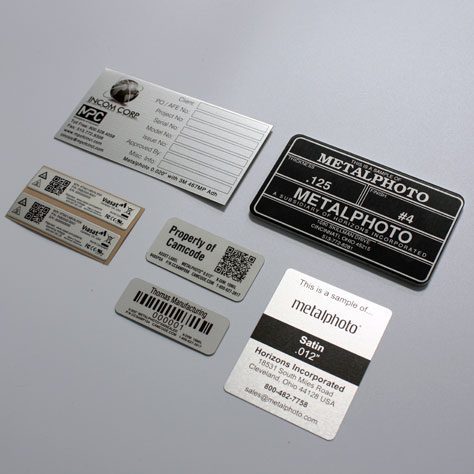
Identification solutions should be the foundation of your airport operation. That’s why Camcode’s Metalphoto® labels are printed on photosensitive anodized aluminum and designed to endure extreme temperatures, UV rays, chemicals, and abrasion without fading or deteriorating.
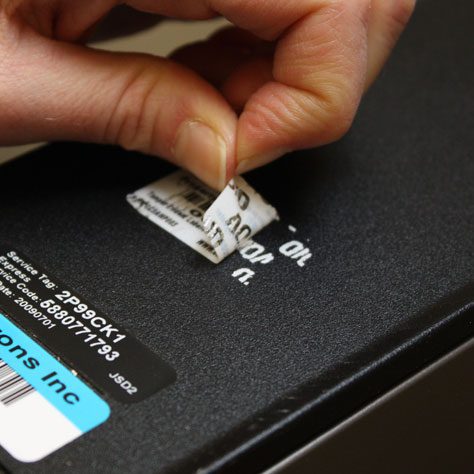
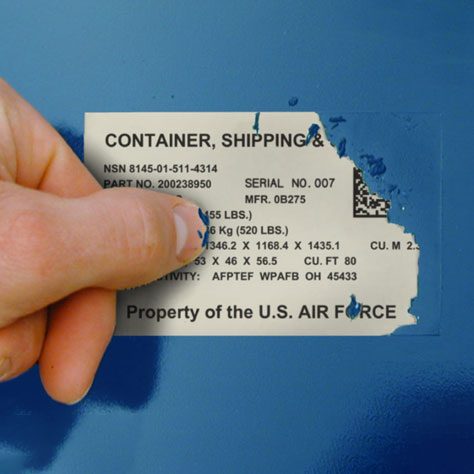
The issue with traditional labels is that they don’t last: they fade over time, start to peel up, or fall off completely exposing the data printed on them. Metalphoto® labels encapsulate all of the data underneath a layer of durable anodized aluminum.
Maintenance departments shouldn’t have to worry about losing identification on assets exposed to extreme outdoor elements, industrial chemicals from cleaning supplies, and general wear and tear over years of use. That’s why Camcode’s labeling process has the toughest standards for durability and reliability. You can be confident that your asset identification will last years, and often for the entire life of the asset.
Plus, when those labels link up to digital data in your CMMS, your team can work more efficiently and keep physical assets in sync with your system.
List out all of the maintenance tasks that need to be completed using manufacturer manuals, compliance requirements and condition data from your assets. From there you can create a schedule around your operations.
Preventive maintenance is ideal, but not every airport has the capabilities to achieve that standard. If you’re limited on maintenance personnel, consider ranking maintenance needs by risk first.
All inspections, repairs, replacements and services should be routed through your CMMS so you have a paper trail of what was done, when it was done and who did it. This ensures your team is always on the same page, but it’s also crucial for audits.
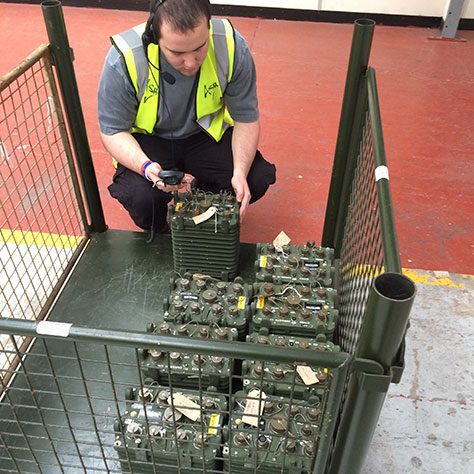
Easy-to-read labels that scanners can pick up every time also help make this possible. By ensuring your technicians are looking at the correct asset every time with labels that won’t fade or fall off, you can guarantee your work orders are always tied to the correct piece of equipment.
Once your plan is established, continue to track its performance against your initial goals. Are you staying compliant? Are failures reducing? Are there systems that seem to have recurring issues? By tracking these metrics, you’ll know what aspects of your maintenance plan are working and what needs to be changed.
Every airport maintenance manager understands the importance of having a plan to keep your airport safe and compliant. A plan keeps your maintenance efforts structured and proactive, rather than reactive.
Of course, a plan is only as good as the tools that execute it. Asset tags and labels that can withstand the harsh conditions of your operation do more than provide asset identification. Durable labels and tags keep your data intact throughout your airport maintenance lifecycle.
Camcode’s durable labels and Metalphoto® anodized aluminum asset tags are engineered to meet your toughest durability and certification requirements. Keep runways, roads, and baggage carts marked for easy identification, creating a critical link between field assets and your IT systems. Improve workflow efficiency, eliminate mistakes, and enhance compliance from maintenance planning to execution.
Learn how asset tags can make airport maintenance easier: Request your free Camcode tag evaluation kit.
A facilities maintenance plan outlines how you maintain and repair assets and infrastructure. An airport asset management plan is more comprehensive; it manages an asset through its entire lifecycle. It also helps track budgets, replacements, and capital planning.
Maintenance teams typically plan around servicing large airfield systems, such as airside infrastructure and plumbing. However, neglecting assets such as signage, access control hardware, floor drains, emergency backup lighting, rooftop units, perimeter fence, and service doors can also cause headaches. These items may have an impact on safety or operations.
If the maintenance project requires skills, certifications, or equipment your team doesn’t have, it makes sense to outsource. Some airports choose to outsource work during peak periods or emergencies.
Our sales engineers are experts in automatic asset tracking, tagging and identification,a nd can answer all your questions. Get in touch now.
Lets Talk ›