























How to Conduct an Airport Equipment Safety Audit
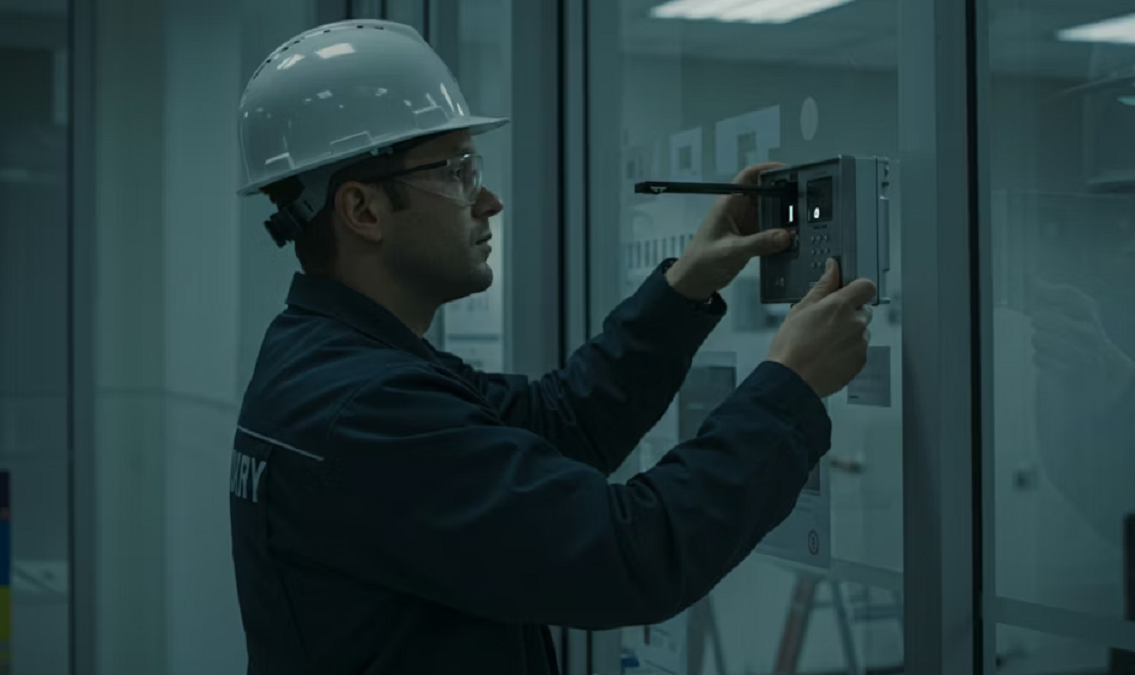

Maintaining continuity of airport operations can be a challenge. Consider how highly regulated aviation equipment is and how one malfunctioning piece of airport equipment can create unnecessary safety hazards and headaches. Regularly performing safety audits on airport equipment is one of the best ways to ensure everything is in working order and stay ahead of these issues.
The challenge is making sure those safety audits are thorough and conducted consistently every time. Read on to learn why airport equipment safety audits are important and how to perform them correctly.

Photo by Jeshoots.com from Unsplash
Equipment safety audits can feel like busy work to some teams. But those checkboxes exist for a reason. Equipment safety checks help airport teams identify hazards before injuries and costly downtime occur.
Here’s how conducting accurate airport equipment safety audits keeps your people safe and helps you get the most out of your equipment. Standardizing your equipment safety checklists can also ensure you:

Photo by Tomas Williams from Unsplash
Auditing airport equipment is more effective when it exceeds the minimum requirements set by law. An audit process keeps you organized and reliable — something crucial to an industry where minor differences can mean drastic delays and expenses. Use these tips to make your airport equipment safety audits more effective.
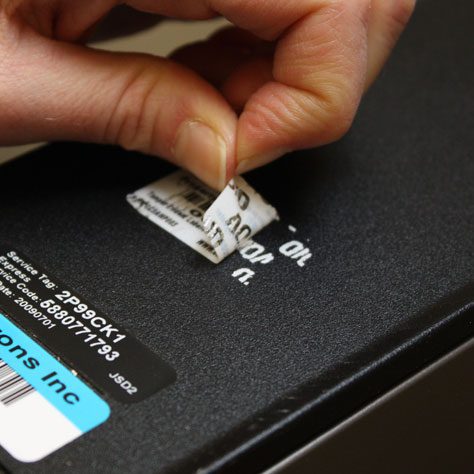
You can’t start an audit without one thing: understanding what assets you need to audit. If your airport has issues with lost IDs, sloppy naming conventions and illegible labels, maintaining proper inspection records year over year will be nearly impossible. This challenge is compounded when you need to audit ground support equipment. These pieces get shuffled and used by many teams daily.
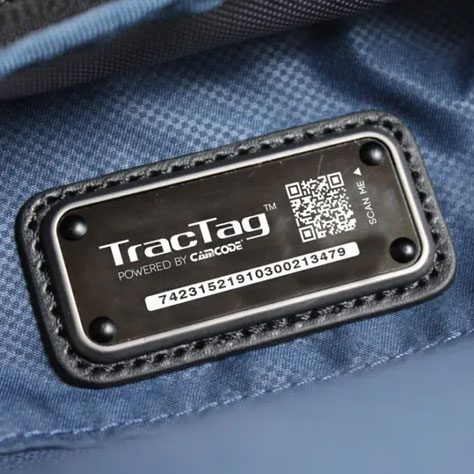
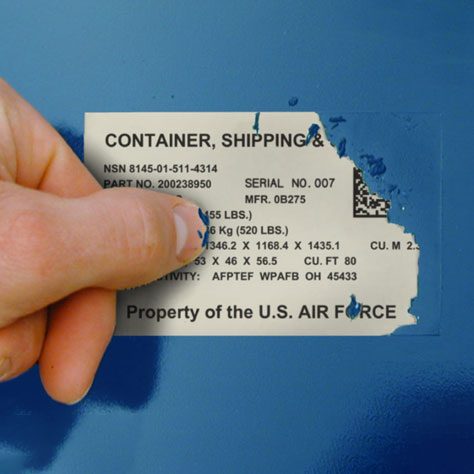
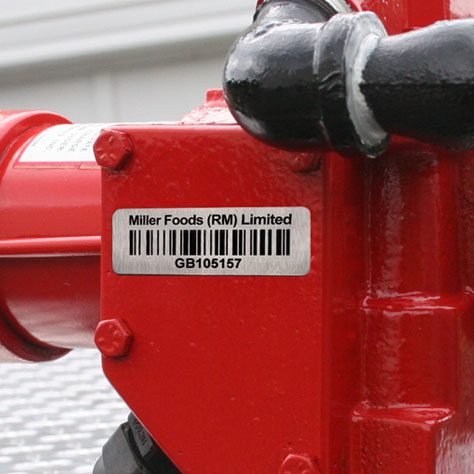
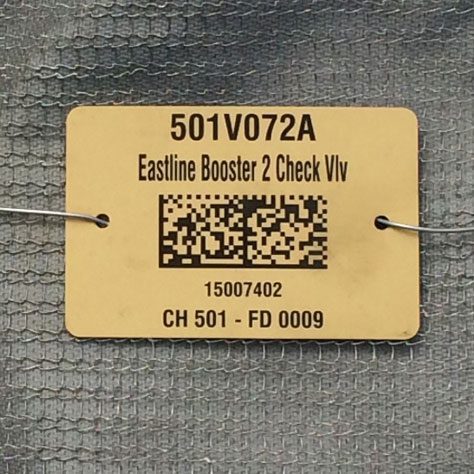
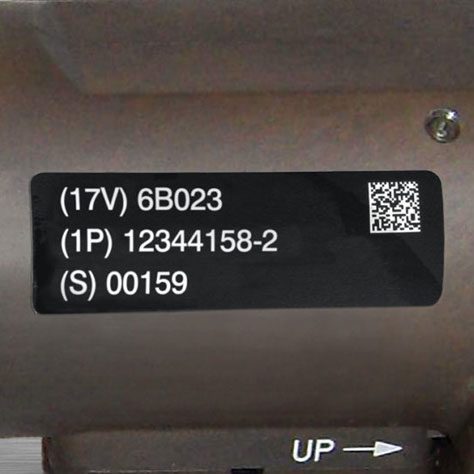
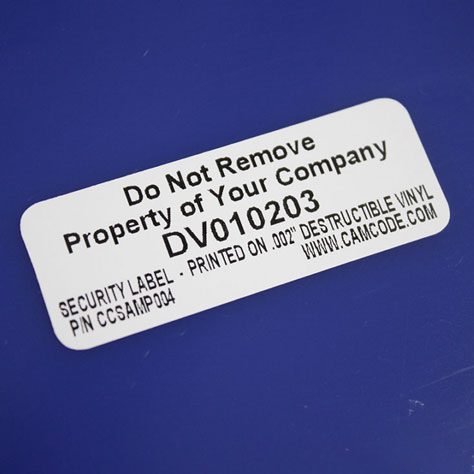
Camcode’s rugged asset tags, including RFID asset tags, allow airports to easily identify assets and link physical assets to their digital records. Standard labels fade and peel away, but our Metalphoto® anodized aluminum asset tags encapsulate important data underneath the surface.
Barcodes and text can’t fade from UV rays, scraping, chemicals or extreme temperatures, so there is less need for relabeling and missed audit history from lost or illegible identification.
Paper checklists can fail us, but a digital audit log keeps things standardized. Audit trails prove inspections were completed, identify recurring failures and distribute findings.
Deploying a computerized maintenance management system (CMMS) allows everyone to be on the same page by tracking information such as:
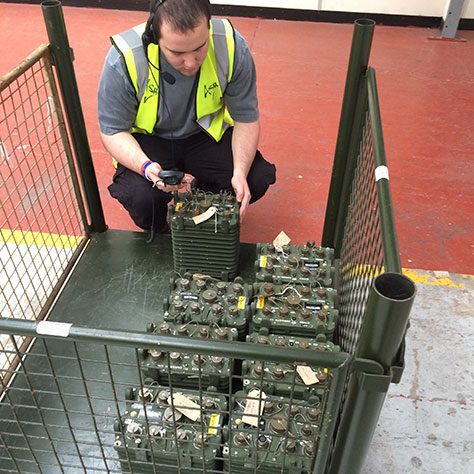
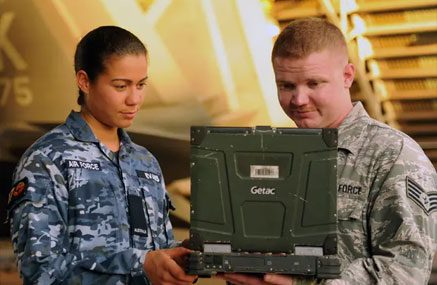
Logging digitally is even faster when using scannable, high-contrast asset tags. Technicians can view maintenance history in the field and eliminate data entry errors to maintain accurate audit information.
Not all assets present the same level of risk. When resources are constrained, airport equipment maintenance teams may want to focus on inspecting higher-risk assets first. Move these assets to the top of your airport equipment safety inspection list if they:
Permanent, readable labels also simplify risk-based prioritization by allowing assets to be easily identified and grouped with similar assets. Labeling removes confusion even when multiple teams utilize the same equipment fleet or pool.
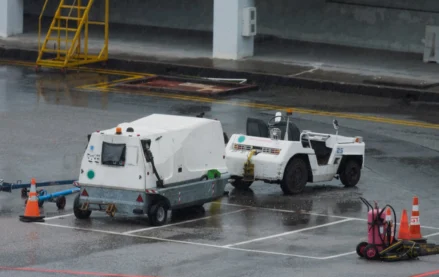
Ground support equipment is another area that may require extra attention. This equipment tends to be used in high traffic, high risk areas around the airport. Issues with GSE can arise unexpectedly, even if it looks like everything is functioning properly. After enforcing regular inspections, one airport discovered that 44% of their GSE had failed inspection.
When auditing GSE, inspectors should look for:
Keeping assets clean is another important aspect. Buildup can hide damage and leaks. Clearly visible, permanent asset labeling is also important. Labels that aren’t easily washed away by dirt, cleaning chemicals, and the elements allow inspectors to easily identify assets and verify paperwork.
An airport equipment safety audit can highlight deficiencies with your equipment. However, that’s just the tip of the iceberg. Safety audits are where you begin to build a safer, more reliable airport that prioritizes your passengers’ safety while reducing costs and equipment downtime.
That’s where Camcode comes in. We help make that process digital. Gathering asset data can be a challenge when trying to link your operations on the airfield to what’s being entered into your CMMS. Our durable asset tags allow for more accurate equipment tracking and better audit trails from gate to gate.
See what Camcode can do for your airport. Request your free label and tag evaluation kit today.
Preventive maintenance will fix or replace parts as necessary to ensure the equipment runs smoothly. Safety audits review if equipment is safe to run. This can include properly maintained documentation and certifications to ensure you’re meeting regulatory requirements. Maintenance will help your equipment run, but an audit will tell you if your asset should be running.
An audit is always more beneficial when you have multiple departments collaborating and providing their input. The more teams that are assessing your equipment, the better chance you have of finding something that may have been overlooked. Maintenance, operations, safety, and compliance are all examples of departments that could play a role in an equipment audit.
Audits aren’t much use if you don’t use them to improve. Once you complete an audit, log any deficiencies found, determine who will fix the problem and verify that it was repaired by a certain date. You should also reference past audits to look for trends and fix root causes instead of continuously repairing the same issue.
Our sales engineers are experts in automatic asset tracking, tagging and identification,a nd can answer all your questions. Get in touch now.
Lets Talk ›