





































Warehouse Inventory Tracking: 10 Best Practices



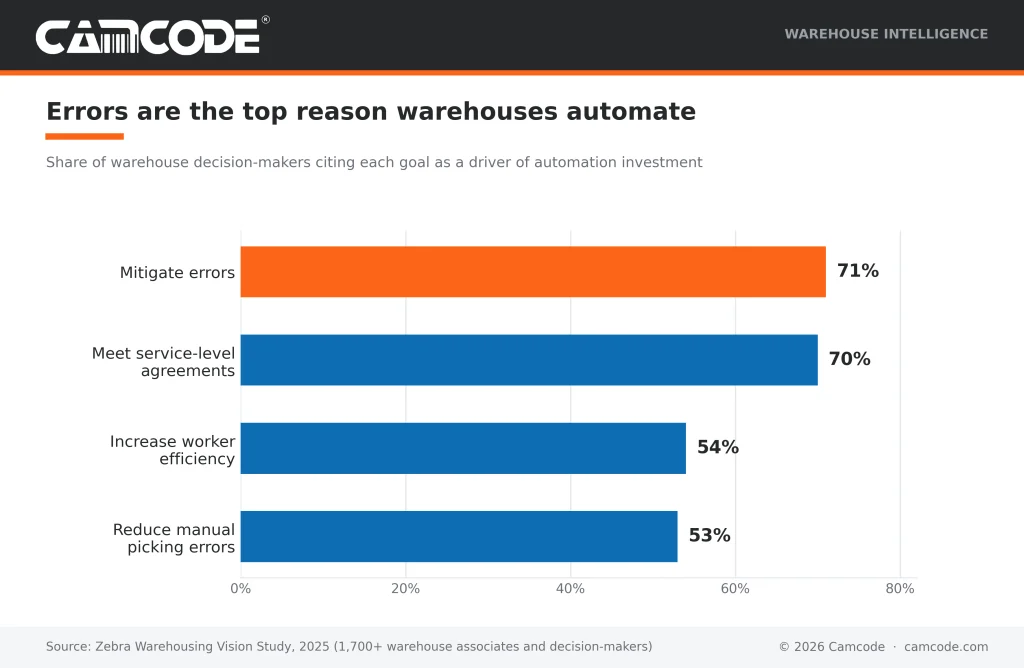
Warehouse inventory tracking is now an error-control problem: 71% of warehouse leaders say mitigating errors is a top driver of their automation investments, according to Zebra’s 2025 Warehousing Vision Study. The best way to track inventory in a warehouse is to label every item and storage location, scan each movement with barcodes or RFID and record every transaction in one central inventory system.
The ten best practices below cover the tracking methods, cycle counting routines and KPIs that keep warehouse counts accurate without slowing fulfillment. Each practice works with the labels, scanners and software most warehouses already own.
Use the selector tool below to find the right tracking method for your operation, then work through the practices in order: the early ones build the foundation the later ones depend on.
Warehouse inventory tracking is the process of recording the quantity, location and movement of every stock item in a facility, from receiving through putaway, picking, packing and shipping.
Most warehouses track inventory one of four ways:
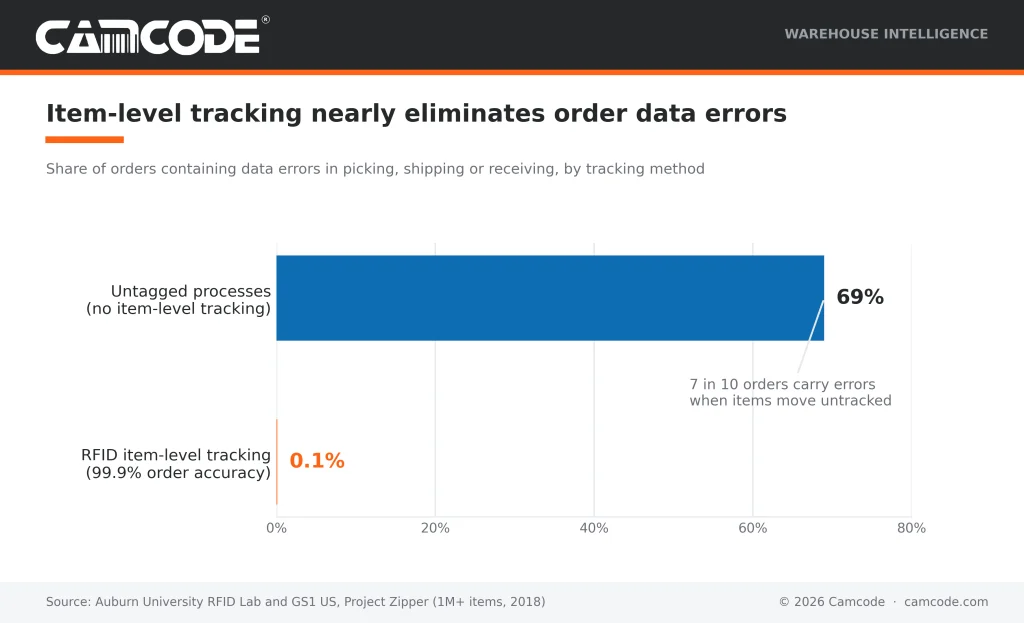
In a 2018 Auburn University RFID Lab study of more than 1 million items, 69% of orders processed without RFID contained data errors, while RFID-enabled processes reached 99.9% order accuracy.
●CAMCODE
Interactive Tool
Each answer adds weighted points to four tracking methods: spreadsheets, barcode labels with inventory software, RFID and a warehouse management system. Weights follow the thresholds used in the article above (spreadsheets under roughly 50 SKUs, barcodes for most small and mid-size operations, RFID for high-volume or harsh environments, a WMS when location-level real-time control is required). The recommendation is the highest-scoring method; scores are computed in your browser and nothing is stored or sent anywhere.
The best warehouse inventory tracking method depends on SKU count, order volume and environment.
The selector above turns these thresholds into a recommendation for your numbers.
Inventory location tracking starts with the locations, not the stock. Give every rack, bay, shelf level and floor zone a unique location code, mark it with durable rack labels and load the codes into your inventory system before the first item is put away. Every later scan then records two facts at once: what moved and where it now sits.
Location-coded inventory is what makes directed putaway, wave picking and accurate cycle counts possible. It is the difference between knowing you own five pallets and knowing which dock door they are staged at.
Our guide to inventory tags covers matching tag materials to racking, totes and pallets.
When it comes to warehouse inventory tracking, cross-docking is used to transfer incoming inventory from supplier deliveries directly to outgoing shipments with minimal time spent in the warehouse. This is not an effective method for every operation but can dramatically decrease costs and improve efficiency in the right situations.
Cross-docking is especially useful for products with a short shelf life or those with specialized handling requirements, such as products that must be kept in cold storage. It's also an excellent method to use for bulk pallet deliveries that must be broken down and shipped to multiple destinations in a short time.
It is likely that some products within the warehouse will be delivered and shipped at a much higher rate than other inventory items. Taking time to review sales and order data to identify these items makes it easier to choose optimal storage locations.
Placing the best-selling items in a location that is convenient for pickers and clearly labeling those locations with hanging warehouse signs, warehouse floor labels and warehouse rack labels can reduce travel time within the warehouse and speed up fulfillment cycle times.
This is the 80/20 rule applied to slotting: roughly 80% of picks come from about 20% of SKUs. Rank items into A, B and C tiers by movement, give A items the most accessible slots near packout and revisit the ranking quarterly as demand shifts.
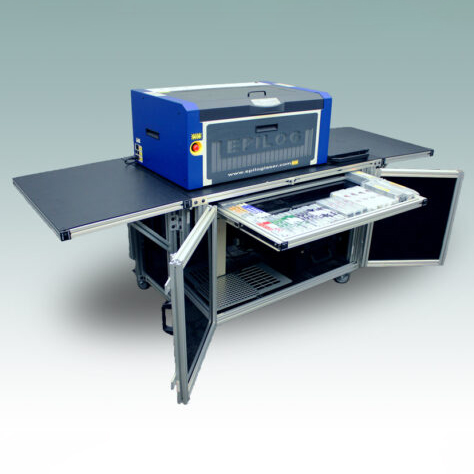
It takes some effort to create a truly efficient inventory management platform. Software and hardware must be optimized and combined with a fast network to reduce lag time and prevent connection errors. It's also important to invest in quality equipment and materials such as labels, tags and signs.
Performing routine checks of system performance can help prevent maintenance surprises. Regular training for employees will make sure they are taking advantage of all the system features.
An inventory management platform is the primary information-sharing resource within most warehouses and should not be taken for granted when it comes to warehouse inventory tracking effectiveness. If you are still comparing options, start with what an inventory management system actually needs to do before shortlisting vendors.
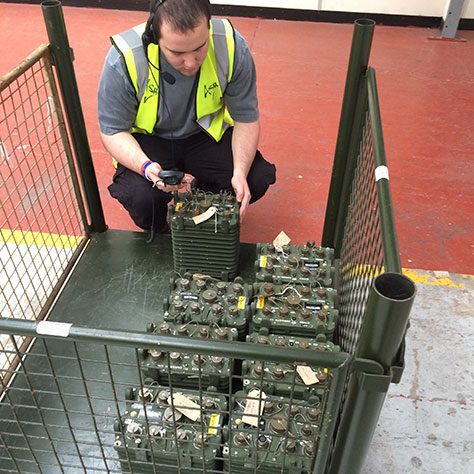
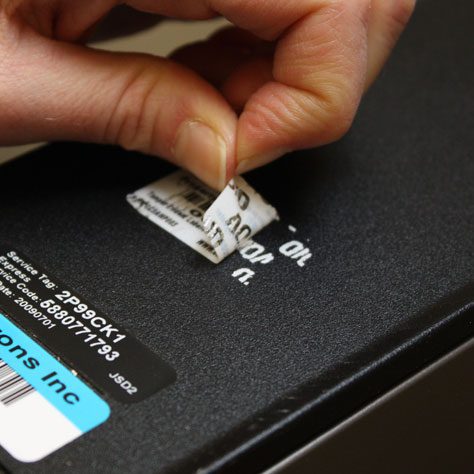
Manual inventory record-keeping can contain significant errors. It is often hard to verify the data after the fact without an electronic history. When inventory can be tagged with barcodes and RFID tags, it is significantly easier to scan items in and out of the system.
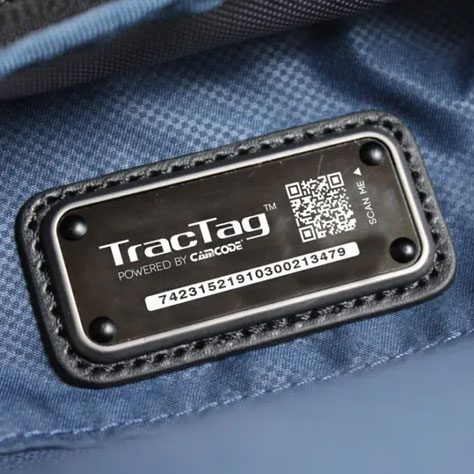
Using an electronic tagging process also reduces the need for handwritten entries and labels. Many companies choose to use a combination of fixed and mobile tags and labels for a complete warehouse solution that provides coverage for unique inventory types and specific use cases.
It's also important to carefully plan the layout of your warehouse racks and barcode label placement to choose orientations that facilitate efficient scanning.
The accuracy gap is measured, not theoretical: in the Auburn University RFID Lab and GS1 US Project Zipper study, 69% of orders processed without RFID contained data errors while RFID-enabled processes reached 99.9% order accuracy.
If you are starting from paper records, the step-by-step guide to implementing barcodes in your warehouse covers label selection through go-live; the barcode inventory management guide explains numbering and symbology choices.
The researcher behind that study has spent two decades measuring what tagging does to accuracy.
"This study should cause retail industry stakeholders to consider the immediate positive impact item-level RFID can have on supply chain efficiency."
- Dr. Bill Hardgrave, founder of the Auburn University RFID Lab, then Provost, Auburn University. PR Newswire, October 2018.
The same logic holds inside the warehouse: the fewer keystrokes between a physical movement and its record, the closer counts stay to reality.
Cycle counting replaces the annual wall-to-wall physical inventory with small daily or weekly counts of selected locations. Instead of shutting down the warehouse once a year, teams count a rotating slice of SKUs, prioritizing high-value and fast-moving items using ABC analysis. Because errors surface within days rather than months, root causes such as mislabeled bins or bad receiving data are still traceable.
A practical starting cadence: count A items monthly, B items quarterly and C items twice a year, then investigate any location where the counted quantity differs from the system record. A full warehouse inventory audit still has its place once or twice a year; cycle counting keeps the other fifty weeks honest.
Real-time warehouse inventory tracking updates stock records at the moment inventory moves, instead of in end-of-shift batch updates. Each pallet, bin and item carries a scannable label or RFID tag; every receipt, putaway, pick and transfer posts to the inventory system immediately.
The payoff is location-level visibility: managers see current on-hand counts by rack, zone or dock door and catch discrepancies the day they happen. Zebra's 2025 study found 63% of warehouse leaders plan to add AI and augmented reality tools within five years; real-time data capture is the foundation those tools require.
Pallet-level license plate numbers extend the same visibility to bulk storage: one scan books an entire pallet, which is how cold-storage operations speed up stocktaking without keeping workers in the freezer. Real-time capture is also the entry ticket to warehouse automation, since robots and conveyors act on the same live data.
Industry leadership is blunt about where this is heading; as MHI's CEO put it when releasing the 2026 industry report:
"Supply chains can no longer be optimized at the edges. They must be rewired end-to-end."
- John Paxton, CEO, MHI. 2026 MHI Annual Industry Report announcement, Businesswire, April 2026.
That rewiring starts with data capture: the same MHI and Deloitte report found 56% of supply chain organizations expect to increase innovation spending; warehouse inventory tracking is where that spending shows up first.
Modern inventory management systems can provide a high level of visibility for monitoring all activities within a warehouse facility. It's important to take advantage of the advanced metrics and reporting tools that most software solutions offer. Management can build custom reports and review key inventory metrics aligned with the unique performance goals of each location.
Another recommendation is to create a set schedule for reviewing metrics such as weekly, monthly and quarterly so that important changes are not missed.
Five KPIs cover most of what warehouse managers need to monitor for inventory tracking in warehouses:
Review them on a set cadence: weekly for accuracy and picking, monthly or quarterly for turnover and carrying cost. Tie each metric to a named owner.
Warehouses play an important role in the supply chain for B2B and B2C fulfillment. This gives warehouse management an opportunity to work closely with suppliers, distributors and other business partners to better coordinate operations and improve supply chain efficiency.
Developing close relationships can help identify inefficiencies related to handoffs, deliveries and inventory identification.
With careful coordination, it is possible to reduce handling time and make deliveries faster and more convenient for customers.
Warehouse inventory must be carefully managed to reduce errors and maintain critical quality metrics. When warehouse management works closely with suppliers, integrators and vendors, you can identify new improvements that can drastically improve operations.
Implementing warehouse inventory best practices can help any warehouse achieve new levels of performance and optimize its inventory management processes. Warehouse inventory tracking accuracy compounds: better counts speed up picking; faster picking is the core of improving warehouse productivity.
To keep track of inventory in a warehouse, give every item and storage location a unique labeled identifier, scan each movement with a barcode or RFID reader and let a central inventory system hold the single source of truth for counts. Add cycle counting to catch discrepancies weekly and KPI reviews to spot drift before it becomes stockouts.
The 80/20 rule in inventory says roughly 80% of a warehouse’s sales or movement comes from about 20% of its SKUs. Warehouses apply it through ABC analysis: A items, the top sellers, get prime pick locations, tighter cycle counts and closer KPI review, while slower B and C items move to less accessible storage.
The five inventory KPIs most warehouses monitor are:
Review accuracy and picking weekly and the cost metrics monthly or quarterly, then tie each metric to a named owner.
To automate warehouse inventory scanning, tag items and locations with barcode labels or RFID tags, equip workers with mobile scanners or wearables and connect the scans to inventory software so every movement posts automatically.
Fixed RFID readers at dock doors and conveyor choke points remove even the handheld scan, capturing hundreds of tags per second as pallets pass.
Cold-storage pallet tracking gets faster with freezer-grade barcode labels or RFID tags that stay readable below zero, long-range scanners that read from the forklift seat and pallet-level license plate numbers (LPNs) so one scan books the whole pallet instead of each case.
The best inventory control software depends on scale: small operations do well with barcode-first inventory apps, while high-volume facilities need a warehouse management system with location-level control.
Our roundup of the best inventory tracking software
compares the leading options by capability and fit.
Our sales engineers are experts in automatic asset tracking, tagging and identification, and can answer all your questions. Get in touch now.
Lets Talk ›Enter your information and get a free checklist of the top questions to answer and tips to plan a successful asset tagging project for any warehouse management system implementation.