










































15 Best Warehouse Management Systems (WMS) and Software Tools for 2026


Only 49% of warehouse operations run a warehouse management system (WMS) or inventory management software and 25% plan to evaluate, purchase or upgrade a WMS within two years, according to Modern Materials Handling’s 2026 Software/Automation Outlook Survey (July 2026).
The best warehouse management system for your operation depends on warehouse size, order profile and whether you run a 3PL, a manufacturing plant or an ecommerce fulfillment center: Gartner’s 2026 Magic Quadrant names Manhattan Associates, Blue Yonder, SAP, Oracle, Infor and Infios as Leaders for enterprise and multi-site networks, while cloud tools such as Fishbowl and Cin7 start under $600 a month for smaller warehouses.
This guide compares the 15 best warehouse management systems and WMS software tools for 2026 by warehouse type: enterprise, 3PL, small business and ecommerce, ERP modules and automated warehouses. Each entry covers pricing, ratings, integrations and go-live time, and the guide closes with a buyer’s checklist, cost benchmarks and the barcode labeling groundwork every WMS needs for accurate data.
NEW Methodology note. Trust signal under the Quality Rater Guidelines (transparent sourcing, dated verification). Scores 0.533 vs “best warehouse management software 2026”. Paste as one paragraph directly under the chart.
To compile out list of the best warehouse management systems, we started from analyst and survey data, not from vendor marketing. The enterprise tier comes straight from Gartner’s April 29, 2026 Magic Quadrant for Warehouse Management Systems, which evaluated more than 80 vendors and placed 18; every Leader is here.
For every other tier we built the shortlist from the segments warehouse buyers search for (3PL, small business and ecommerce, ERP modules, automated sites) and screened each candidate on four tests.
It’s important to know that no vendors paid to be included on our list. We capped the list at 15 so that every system gets a full buyer profile (pricing, ratings, integrations, go-live time and the cases where you should rule it out) instead of a feature list.
Within each group, the warehouse management software systems appear in no particular order.
 CAMCODE
Filter by use case, search by vendor and sort by published 2026 pricing or Gartner Magic Quadrant placement.
Showing 15 of 15 warehouse management systems
| Best for |
|---|
The best warehouse management system in 2026 depends on three things: order volume, how many sites you run and whether the WMS has to bill multiple clients.
Gartner published its 2026 Magic Quadrant for Warehouse Management Systems on April 29, 2026 and the companion Critical Capabilities report, which scores 21 vendors, on April 30, 2026. Made4net reports that Gartner evaluated more than 80 WMS providers to pick the 18 it included and that the WMS market reached almost $3.5 billion in 2025.
The six Leaders:
Other placements worth knowing:
Gartner’s 2026 themes for WMS buyers:
Wayne Usie, chief strategy officer at Blue Yonder, framed the 2026 shift this way when the report came out:
“Today’s warehouses must operate more autonomously than ever before.”
– Wayne Usie, Chief Strategy Officer, Blue Yonder. Business Wire, June 2, 2026
This is a vendor talking, but it matches the Gartner themes list: AI, robotics integration and the effect of AI on total cost of ownership all sit on the 2026 agenda and Blue Yonder itself reports one WMS go-live per business day in 2025.
These six platforms are the Leaders in Gartner’s April 29, 2026 Magic Quadrant for Warehouse Management Systems, which evaluated more than 80 vendors and placed 18. All are quoted per project and all run multi-site, high-volume operations with labor management, slotting and automation integration built in.
Best for: Complex, multi-site and omnichannel networks with a strong IT team
Pricing and trial: Quote only; demo on request, no free trial
Rating: G2 4.0 out of 5 on 10 reviews
Why it made the list: Manhattan Associates is the benchmark for complex, omnichannel distribution and the vendor that appears on more independent lists than any other in this guide. Gartner named it a Leader for the 18th time in a row in 2026 and gave Manhattan Active WM the highest score among 21 vendors for Level 3, 4 and 5 warehouse operations in the companion Critical Capabilities report. The platform is cloud-native and versionless, built for networks that run value-added services, lot and serial tracking and product recalls alongside standard fulfillment. (Source)
Standout capabilities (source)
Integrations: Manhattan Automation Network partners Locus Robotics, RightHand Robotics, Matthews Automation and VCO Systems; AutoStore cited by customers. Manhattan does not publish an ERP or carrier connector list. (source)
Deployment and go-live: Cloud-native, versionless, quarterly updates; Essentials, Enterprise and Enterprise Premier editions. Staples rolled it out to nine sites in 18 months. (source)
Users like: Order visibility across DCs and carriers; flexible workflow configuration. (reviews)
Keep in mind: Steep learning curve and heavy IT dependence; reviewers note you cannot see who edited an order in the UI. G2 review text is login-gated, so the public review base is thin. (source)
Rule it out if: You run one site with a small team and no integration staff; the platform is sized for enterprise networks.
Best for: Retail, omnichannel and highly automated multisite networks
Pricing and trial: Quote only; contact form, no demo or trial listed
Rating: G2 4.2 out of 5 on 21 reviews
Why it made the list: Blue Yonder (formerly JDA) is the other 18-time Gartner Leader and the strongest option for retail and omnichannel networks that also run Blue Yonder planning or transportation. The company reports more than 3,000 customers and averaged one WMS go-live per business day in 2025 and its Warehouse Ops Agent adds AI monitoring, forecasting and slotting on top of the core WMS. (Source)
Standout capabilities (source)
Integrations: Runs on Microsoft Azure and connects natively to Blue Yonder order management, transportation and planning; robot vendors are onboarded through Robotics Hub. No public ERP or carrier connector list. (source)
Deployment and go-live: Cloud-native on Azure with multisite deployment management and zero-downtime updates; averaged one go-live per business day in 2025. (source)
Users like: Breadth of capability and fast feature releases. (reviews)
Keep in mind: Reviewers call the interface busy and configuration non-intuitive; 57% of G2 reviewers are enterprise users. (source)
Rule it out if: You want a lightweight WMS with no planning or transportation tie-in; Blue Yonder is strongest as part of its own platform.
Best for: Companies standardized on SAP S/4HANA with high-volume warehouses
Pricing and trial: Quote only; EWM Basic is bundled with S/4HANA, Advanced is licensed separately; no demo or trial on the product page
Rating: G2 4.3 out of 5 on 84 reviews
Why it made the list: SAP EWM is the default choice for companies standardized on SAP S/4HANA, because it runs embedded in the ERP or as a separate system and shares master data with finance and procurement. It integrates complex supply chain logistics with warehouse and distribution processes so that you can track inventory, cross-dock and manage distribution operations in real time. (Source)
Standout capabilities (source)
Integrations: Embedded in S/4HANA and connected to SAP production, quality and transportation; automation equipment via the material flow system. SAP names no third-party ERP, carrier or robot partners on the product page. (source)
Deployment and go-live: Embedded in S/4HANA (on-premise or Cloud private edition), decentralized EWM or S/4HANA Cloud public edition for basic mode; G2 reviewers report an average of seven months to implement. (source)
Users like: Day-to-day ease of use (21 mentions), real-time visibility (15) and stability under high volume. (reviews)
Keep in mind: Difficult learning curve (18 mentions), setup difficulty (12) and insufficient training (10); G2 rates perceived cost at the top of its scale. (source)
Rule it out if: You do not run SAP ERP; EWM’s value is the shared master data and embedded deployment.
Best for: Companies running Oracle Fusion Cloud SCM or NetSuite, including 3PLs
Pricing and trial: Quote only; demo and product tours, no WMS trial
Rating: G2 4.0 out of 5 on 13 reviews
Why it made the list: Oracle’s WMS (also sold as Oracle Warehouse Management Cloud) is the pick for companies running Oracle Fusion Cloud SCM or NetSuite that want one vendor from order to shipment. Gartner named Oracle a Leader for the 11th year in a row in 2026. It runs on a single platform across a global supply chain and supports handheld and truck-mounted scanning for common warehouse and shop floor transactions. (Source)
Standout capabilities (source)
Integrations: Warehouse control for pick-to-light, sorters, carousels and conveyors plus AMRs and AGVs; REST APIs; Oracle Transportation, Global Trade and Warehouse Workforce Management. No third-party ERP or carrier names published. (source)
Deployment and go-live: Multi-tenant cloud with zero-downtime updates; Oracle publishes no typical implementation timeline. (source)
Users like: Single platform from order to shipment for Oracle shops (G2 review text is login-gated, so public themes are limited). (reviews)
Keep in mind: 3PL billing is not mentioned on the product page or datasheet, so 3PLs should confirm invoicing scope; only 13 public G2 reviews. (source)
Rule it out if: You are not an Oracle or NetSuite customer and have no plan to be.
Best for: Food and beverage, pharma, consumer goods and 3PLs with lot-controlled inventory
Pricing and trial: Quote only; recorded demo, no trial
Rating: G2 5.0 out of 5 on 2 reviews; Capterra 4.2 on 5
Why it made the list: Infor WMS (formerly Infor CloudSuite WMS) is a multi-tenant cloud WMS with industry-specific functionality for food and beverage, consumer goods, chemicals and pharmaceuticals, 3PL and high tech. Gartner named Infor a Leader for the eighth consecutive year in 2026 and Infor says its pick path optimization reduces travel by up to 25%. It is the strongest of the six for regulated and lot-controlled inventory. (Source)
Standout capabilities (source)
Integrations: Hosted on AWS and connected to Infor Nexus, Birst analytics and CloudSuite Distribution ERP; automation systems in general. Infor names no third-party ERP or carrier connectors. (source)
Deployment and go-live: Multi-tenant SaaS on AWS, with on-premise Windows or Linux still listed on review sites; no published timeline. (source)
Users like: Easy to configure, broad 3PL and production functionality, 12 lottable attributes per SKU. (reviews)
Keep in mind: Reviewers cite limited reporting, a weak RF handheld interface and custom work that needs vendor support; most public reviews date from 2016 to 2017. (source)
Rule it out if: You need a large public review base to judge it by; the independent review record is thin.
Best for: Mid-size to large distributors and 3PLs that want a configurable standalone WMS
Pricing and trial: Quote only; contact an expert, no trial
Rating: G2 4.0 out of 5 on 13 reviews
Why it made the list: Infios is the new name of Körber Supply Chain Software (rebranded March 4, 2025), which in turn absorbed HighJump. It is the Leader most often chosen by mid-size to large distributors that want a configurable standalone WMS without an ERP vendor attached. Gartner named Infios a Leader for the eighth consecutive year in 2026 and Infios reports more than 5,000 customers across 70 countries. (Source)
Standout capabilities (source)
Integrations: Ready-made interfaces for SAP Business One and NetSuite; Infios order management and transportation; AMRs, AS/RS and conveyors; AWS for AI services. Carrier and ecommerce connectors are not listed publicly. (source)
Deployment and go-live: SaaS or on-premise; Infios says most implementations take four to eight months with ROI in six to twelve. (source)
Users like: Configurability across complexity tiers, from fast-growing SMBs to global enterprises (G2 review text is login-gated). (reviews)
Keep in mind: 3PL billing is not named on the WMS page, so 3PLs should confirm it; the brand changed twice in six years (HighJump, Körber, Infios), which matters for documentation and partner continuity. (source)
Rule it out if: You need a go-live inside a quarter; four to eight months is the vendor’s own estimate.
A 3PL needs the WMS to keep every client’s inventory, rules and billing separate. These three software platforms are built around that requirement, all three are US vendors and each publishes a customer count or go-live target you can check.
Best for: Third-party logistics providers billing multiple clients
Pricing and trial: Quote only; demo on request (the free sign-up on the site is for Integration Manager, not the WMS)
Rating: G2 4.0 out of 5 on 40 reviews; Capterra 4.1 on 131
Why it made the list: Extensiv (formerly 3PL Central, acquired by Descartes in 2026) is the most widely used cloud WMS built specifically for third-party logistics and reports more than 1,200 3PL customers. It manages multiple customers with their own practices, processes and billing schedules and it is the 3PL system that shows up on the most independent shortlists. (Source)
Standout capabilities (source)
Integrations: Shopify, Amazon Seller Central, Walmart Marketplace, eBay, ShipStation, NetSuite, QuickBooks Online and EDI partners. (source)
Deployment and go-live: Cloud SaaS; G2 reviewers report about three months to implement. (source)
Users like: Easy navigation for staff and clients, 24/7 client visibility and billing that captures charges. (reviews)
Keep in mind: Slow support with long holds, limited custom reporting and manual returns processing; G2 rates perceived cost at the top of its scale. (source)
Rule it out if: You run your own inventory rather than clients’; the product is built around multi-client billing.
Best for: Mid-market 3PLs and ecommerce brands that need a fast go-live
Pricing and trial: Quote only; demo on request
Rating: No public G2 or Capterra reviews
Why it made the list: Deposco is a cloud WMS for 3PLs, ecommerce brands and retailers that sells on speed: a go-live target of 90 days or less and more than 150 pre-built integrations. Deposco reports more than 3,000 businesses on the platform and more than 69 million consumer orders a year, which makes it one of the few mid-market WMS vendors that publishes its scale. It was placed in Gartner’s 2024 Magic Quadrant but not the 2026 edition. (Source)
Standout capabilities (source)
Integrations: NetSuite, QuickBooks, Shopify, WooCommerce, Magento, Amazon Seller Central, Rithum, UPS, ShipStation, SPS Commerce and Lightning Pick, among more than 150. (source)
Deployment and go-live: Cloud; Deposco targets go-live in 90 days or less and cites a 55-day 3PL implementation. (source)
Users like: Not available: Deposco has no public review base on G2 or Capterra, so ask for references. (reviews)
Keep in mind: Slotting, lot and serial tracking and 3PL billing are not named on the WMS page and labor management is sold separately as Labor Intelligence. (source)
Rule it out if: You want independent user reviews before shortlisting; there are none.
Best for: Small and midsize 3PLs and brands that want WMS, order management and shipping together
Pricing and trial: Quote only; first three months free when switching from another system
Rating: G2 4.5 out of 5 on 20 reviews; Capterra 4.4 on 116
Why it made the list: Infoplus is a cloud WMS for 3PLs and brands that appears on three independent shortlists and reports more than 6,500 businesses on the platform. It covers multi-client inventory, order management and shipping in one system and its scripting layer lets a technical 3PL build workflows the packaged tools do not have. (Source)
Standout capabilities (source)
Integrations: Shopify, Magento, WooCommerce, BigCommerce, NetSuite, Brightpearl, Amazon Seller Central, Walmart Marketplace, UPS, FedEx, USPS, DHL, EasyPost, SPS Commerce and Zebra devices. (source)
Deployment and go-live: Web-based with native mobile apps; reviewers report months of configuration. (source)
Users like: Customizable workflows and fields, the API and automation and mobile apps that cut hardware cost. (reviews)
Keep in mind: Setup takes months and technical staff (JavaScript and REST); slow page loads at volume; billing and invoicing are described as clunky. (source)
Rule it out if: You have no one in-house who can script; the strength of the product is its configurability.
Every tool in this group of top warehouse management systems for small business and ecommerce deploys in weeks and covers barcode scanning, multi-location stock, pick lists and shipping. ShipHero is a full WMS; Fishbowl and Cin7 are inventory platforms with a barcode picking module, so plan to outgrow them if you pass a few thousand orders a day. Free and entry-level options are covered in the FAQ.
Best for: High-volume ecommerce brands and 3PLs that have outgrown inventory apps
Pricing and trial: Quote only for all three plans (Brands, 3PLs, Enterprise); no free trial
Rating: G2 4.5 out of 5 on 232 reviews; Capterra 4.3 on 89
Why it made the list: ShipHero is the most reviewed true WMS for ecommerce brands and 3PLs on G2, named a Momentum Leader and Mid-Market High Performer for Winter 2026. It reports more than 6,500 businesses in 40 countries and more than 116 million orders shipped a year and it is the one tool in this group with directed putaway and wave picking built in rather than bolted on. (Source)
Standout capabilities (source)
Integrations: Shopify, Amazon, TikTok Shop, Walmart, Magento, BigCommerce, Loop, NetSuite, SPS Commerce, UPS, USPS, DHL and FedEx, among more than 70. (source)
Deployment and go-live: Cloud; average go-live of six to eight weeks (two to twelve depending on package). (source)
Users like: Ease of use (43 mentions), responsive support (30) and quick setup (21). (reviews)
Keep in mind: Missing features such as bulk order editing (13 mentions), slow support on technical issues (11), Shopify sync gaps and no Android scanner support. (source)
Rule it out if: Your floor runs Android scanners or you ship mostly B2B pallets rather than parcels.
Best for: QuickBooks and Xero users and small manufacturers
Pricing and trial: Fishbowl Inventory from $229 a month; Fishbowl Advanced Warehouse from $595 a month, billed annually; demo only, no trial
Rating: G2 4.0 out of 5 on 274 reviews; Capterra 4.2 on 1,134
Why it made the list: Fishbowl is the top-selling warehouse and inventory software for QuickBooks users, appears on six of the lists we swept and carries the deepest review base of any small-business tool here. It generates purchase orders and bills them to QuickBooks, scans receipts with a wireless mobile device and assigns products to locations and Fishbowl reports more than 6,000 customers. (Source)
Standout capabilities (source)
Integrations: QuickBooks Online and Desktop, Xero, Shopify, Amazon, BigCommerce, WooCommerce, Walmart, ShipStation, UPS, FedEx, USPS, Salesforce and SPS Commerce. (source)
Deployment and go-live: Fishbowl Advanced is cloud-hosted or self-managed on-premise; Fishbowl Inventory is cloud; Fishbowl cites two to six weeks to implement. (source)
Users like: Intuitive interface, multi-location barcode tracking, QuickBooks sync and responsive support. (reviews)
Keep in mind: Limited report customization without add-ons, iOS scanning slowness and occasional server outages; some integrations cost extra. (source)
Rule it out if: You need directed putaway, wave picking or labor management; Fishbowl is an inventory platform with a barcode module.
Best for: Product sellers that need inventory, POS, B2B and a warehouse app in one
Pricing and trial: Cin7 Core from $349 a month (Standard), $599 (Pro) and $1,199 (Advanced); 14-day free trial
Rating: G2 4.3 out of 5 on 352 reviews; Capterra 4.3 on 739
Why it made the list: Cin7 Core is an all-in-one inventory, POS, EDI and 3PL platform for product sellers that need warehouse management connected to their sales channels. Cin7 reports more than 8,500 businesses and 125 million orders processed a year and it is the broadest of the small-business tools for sellers that also manufacture or sell B2B. (Source)
Standout capabilities (source)
Integrations: QuickBooks Online, Xero, Shopify, Amazon, WooCommerce, ShipStation and 3PL and EDI connectors, among more than 700 app partners. (source)
Deployment and go-live: Cloud SaaS; a Capterra reviewer cites about 90 days to implement. (source)
Users like: Inventory management (35 mentions), ease of use (34), support (31) and easy integrations (27). (reviews)
Keep in mind: Missing features (14 mentions) and sync issues; annual order caps of 6,000, 24,000 and 120,000 by tier and the Advanced WMS is gated to the Pro add-on or Advanced tier. (source)
Rule it out if: You ship more than 120,000 orders a year or need a 3PL billing engine.
If inventory accuracy and a single database matter more than advanced picking logic, the warehouse module of the ERP you already run is usually the cheapest path. These two have the most independent recognition in 2026.
Best for: Growing companies that run NetSuite ERP
Pricing and trial: Quote only: annual subscription by modules and users plus a one-time implementation fee; product tour and test drive, no trial
Rating: No WMS-specific listing; NetSuite overall is G2 4.1 out of 5 on 5,043 reviews
Why it made the list: NetSuite is the cloud ERP with the largest customer base, with more than 44,000 customers and NetSuite WMS adds mobile receiving, putaway, picking and packing, wave management and cycle count planning on the same database as finance and orders. NetSuite cites customer Action Health reporting a 20% improvement in employee productivity after implementing NetSuite WMS. (Source)
Standout capabilities (source)
Integrations: NetSuite Ship Central for multi-carrier packing (FedEx, UPS, USPS via a ShipStation account) and PrintNode for scales and printers; automation vendors are not listed. (source)
Deployment and go-live: Cloud add-on module to NetSuite; G2 reviewers report about six months to implement NetSuite overall. (source)
Users like: Ease of use (568 mentions) and customizability (363) for the NetSuite platform. (reviews)
Keep in mind: Learning curve (383 mentions) and missing features (286) for the platform; cartonization is not mentioned on the WMS page and reviewers cite cost and the need for developers. (source)
Rule it out if: You are not on NetSuite; the module does not run standalone.
Best for: Companies running Microsoft Dynamics 365, including WMS-only mode for other ERPs
Pricing and trial: $210 per user per month; Premium $300; demo on request (the 30-day Dynamics trial covers other apps)
Rating: G2 3.7 out of 5 on 103 reviews
Why it made the list: Dynamics 365 Supply Chain Management is the only ERP warehouse module that Gartner placed in its 2026 Magic Quadrant for Warehouse Management Systems and it is the one ERP option here with published pricing: $210 per user per month or $300 for Premium. The module covers directed putaway, wave processing and mobile scanning inside the Microsoft ERP, which makes it the default for Dynamics shops. (Source)
Standout capabilities (source)
Integrations: External ERPs and order systems through WMS-only mode; conveyors, sorters and AS/RS through the MHAX material handling interface; a small parcel rate engine; Power BI, Power Automate and Teams. (source)
Deployment and go-live: Cloud, with on-premise supported; G2 reviewers report about six months to implement. (source)
Users like: Live insight across the supply chain and advanced warehousing workflows. (reviews)
Keep in mind: High licensing and implementation cost, complex setup and update regressions if releases are not tested; the lowest G2 rating in this guide. (source)
Rule it out if: You are not a Microsoft shop and have fewer than roughly 10 warehouse users; per-user pricing favors larger teams.
Sites built around shuttles, AS/RS or AutoStore usually run the integrator’s own software, which combines warehouse management with material flow control so one system directs people, machines and the automated storage systems they feed. Dematic is placed in Gartner’s 2026 Magic Quadrant and reports its software running in more than 2,000 warehouses; Mecalux Easy WMS, also Gartner-placed, is the alternative when the racking is Mecalux.
Best for: Automated distribution centers built by Dematic
Pricing and trial: Quote only; contact a specialist, no demo or trial
Rating: No WMS-specific listing; Dematic’s G2 seller profile is 4.9 on 4 reviews across its software
Why it made the list: Dematic is a global provider of intelligent warehouse logistics and materials handling systems and its current software line is Dematic WMS (formerly Matflo WMS) alongside warehouse execution, warehouse control and Command Center software. Gartner placed Dematic as a Niche Player in the 2026 Magic Quadrant for the third year and Dematic reports software running in more than 2,000 warehouses and distribution centers. The stack runs facility operations in automated distribution centers and integrates Dematic conveyors, shuttles and AMRs through one software layer. (Source)
Standout capabilities (source)
Integrations: AutoStore, AMRs, conveyors and shuttles, plus existing enterprise systems through APIs; Dematic names no ERP or carrier connectors. (source)
Deployment and go-live: Not stated publicly for cloud or on-premise; no published timeline. (source)
Users like: Centralized control of the whole warehouse and tight fit with Dematic’s picking and sorting software. (reviews)
Keep in mind: A very thin public review base; waveless picking, slotting, labor management and 3PL billing are not named on the product page. (source)
Rule it out if: Your warehouse is manual or your automation comes from another integrator.
We reviewed a number of other leading warehouse management software vendors. These other WMS passed at least one of our screens but not all four screens, or they didn’t make the top 15 because they serve a narrower market than the WMS listed above.
Here are those additional warehouse management system vendors we reviewed:
Tecsys Elite WMS (a 2026 Gartner Challenger), EPG ONE (Challenger), IFS Softeon (Visionary), Made4net Synapse, Mecalux Easy WMS, Generix Solochain, Synergy Logistics SnapFulfil, Logistics Reply LEA, Mantis LVS and Vinculum (all placed in the 2026 Gartner Magic Quadrant outside the Leaders quadrant); Datex Footprint WMS, Logiwa, PULPO WMS, Da Vinci, CartonCloud, Camelot Excalibur, Hopstack and Shipedge for 3PLs; Finale Inventory, Zoho Inventory, SKULabs, Linnworks SkuVault Core, Odoo Inventory, inFlow, Katana, Ordoro and Veeqo for small sellers; RF-SMART, Epicor, Sage X3, Acumatica, DELMIAWorks (formerly IQMS), VAI S2K, Blue Link and DistributionPlus as ERP warehouse modules; Swisslog SynQ, Bastian Exacta, SSI Schaefer WAMAS and Ascent Warehouse Logistics for automated sites; and Foxfire, mobe3, ROC WMS by CAI Software, IntelliTrack, PathGuide Latitude, ASCTrac, QSSI PowerHouse, Hardis WMS, Consafe Astro WMS, Microlistics, Aptean WMS irms|360, VeraCore and Magaya for specific niches or regions.
Use this warehouse management software evaluation checklist to compare WMS vendors on the same criteria before the system becomes the center of day-to-day warehouse operations.
Choose the warehouse management system that clears all six, then plan the labeling and data capture work covered in the next section.
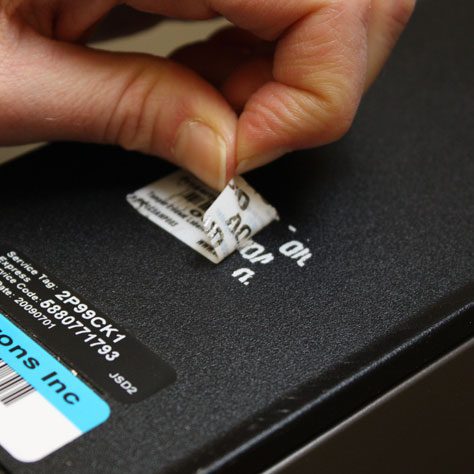
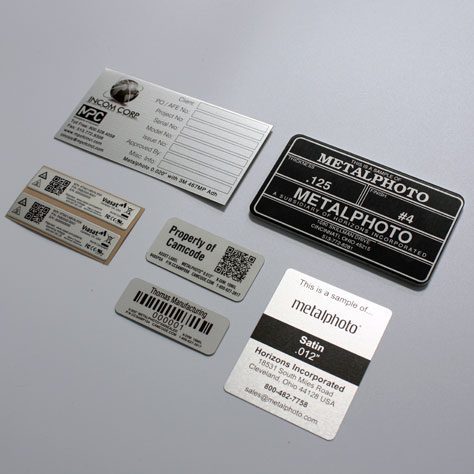
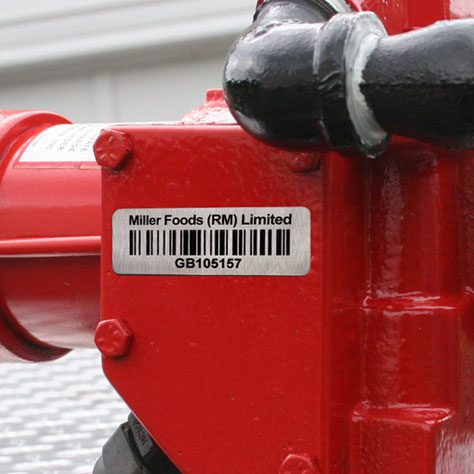
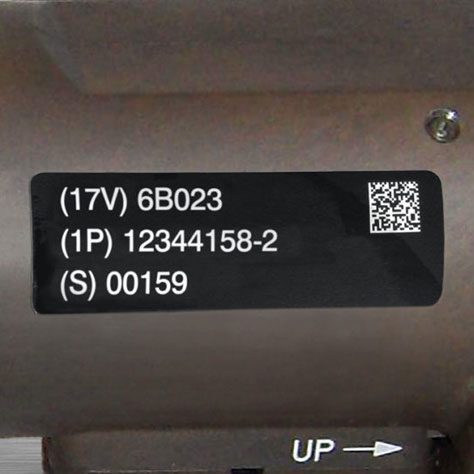
Every warehouse management system depends on barcode and asset tagging to capture accurate data, so complete this implementation checklist before go-live.
Camcode’s warehouse barcode implementation guide and rack labeling guide walk through each step.
The true cost of a warehouse management system can go beyond the price of a software license and it helps to count every line item when you evaluate your deployment. Most businesses that consider implementing a WMS system are looking to simplify their operation and improve efficiency.
The following ideas can help you determine important costs to consider.
Look at extended costs:
Implementing a warehouse management system can sometimes lead to changes for warehouse layouts, vendors, hardware and consumables. These can all have a positive or negative impact on your costs and should be considered.
In addition, there can be additional training requirements for staff based on the new system.
Measure your return on investment (ROI):
Costs are important, but the most valuable metric of an effective WMS implementation will be the ROI that your company achieves. The improvements to process efficiency and added capabilities can be difficult to estimate early on, but having a basic framework can help you decide between various features in WMS systems.
Start with a set price point for your WMS. Looking at your extended costs and ROI will give you a great understanding of both the costs and savings that a WMS system can provide your organization. This will allow you to create a target price point for your WMS software rollout and help you set reasonable terms for contracts, installations and training for your new system.
Set expectations on timing as well as price:
In the 2026 Software/Automation Outlook Survey, 32% of operators said their WMS took more than 18 months to pay back, 22% saw ROI in 6 to 12 months, 22% in 12 to 18 months and 15% in under 6 months. The under-one-year share fell sharply from the 2025 survey, when 50% reported ROI inside a year, which is one more reason to budget for implementation and training, not just the license.
Norm Saenz, partner and managing director at St. Onge Company, read the 2026 outlook survey the same way:
“The study also shows increased plans around software and controls to help lower labor requirements and a bump up in several automation categories, including AMRs for picking operations. This interest may tie into cases of new systems struggling to hit expected rates, causing some to re-evaluate controls software options.”
– Norm Saenz, Partner and Managing Director, St. Onge Company. Modern Materials Handling, March 4, 2026
In other words, the warehouse management system and the control software under it are being bought to replace labor, so weigh labor management and automation integration as heavily as license price.
Warehouse management software systems are priced four ways in 2026:
Per-user pricing suits small teams: Microsoft Dynamics 365 Supply Chain Management lists $210 per user per month. Flat and usage-based plans suit busy floors with many scanners: PULPO WMS publishes $590 a month for three users and $1,290 for a 3PL plan. Tiered cloud subscriptions are the norm for small and ecommerce warehouses: Cin7 Core runs $349, $599 and $1,199 a month, Fishbowl Advanced Warehouse starts at $595 a month, Finale starts at $499 and Zoho Inventory runs from free to $249.
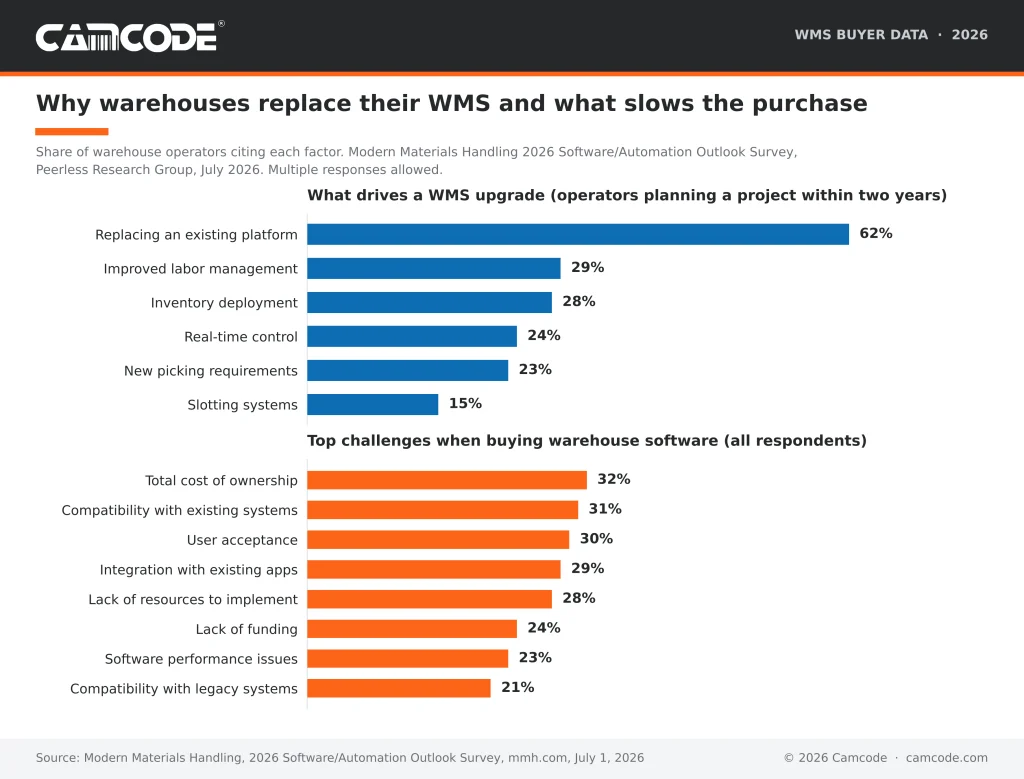
Enterprise systems from Manhattan, Blue Yonder, SAP, Oracle, Infor and Infios are quoted per project and implementation services, integration work and scanners usually cost more than the first-year license. Total cost of ownership is the top software challenge for 32% of warehouse operators in Modern Materials Handling’s 2026 survey, ahead of compatibility with existing systems (31%) and user acceptance (30%).
Warehouse management systems serve several different functions and you will often find features that overlap with other types of software. Ultimately, a WMS platform can be used to monitor all important workflows within a warehouse. By using a centralized system, it is possible to simplify existing procedures and optimize performance.
These are a few of the most important key functions of a warehouse management system.
All warehouses must maintain suitable inventory levels and accurate cycle counts. A WMS platform helps collect all of the tracking information for inventory items in a single database that can be shared with team members and used for many different purposes.
These systems also allow you to store important maintenance and warranty records for important assets.
Each warehouse layout is typically customized to meet local needs and provide for the smooth flow of inventory through the facility. Most warehouse management systems include several tools for managing and optimizing warehouse layouts.
Key functions of these tools include identifying dedicated work areas, managing returns and support for unique barcode formats. Optimizing space within a warehouse often requires a number of different tagging solutions that are integrated with handheld or fixed scanners.
In addition to other Enterprise Resource Planning (ERP) tools, warehouse management software provides support for shipping and receiving activities. These are often some of the busiest areas within a warehouse.
In order to process orders efficiently several processes must often be carried out in parallel and a warehouse management system provides visibility for the status and readiness of these functions.
Inventory that is stored within a warehouse will eventually be retrieved to fulfill orders. Picking and sorting procedures can be managed within a WMS with a central function being order management.
The ability to view and assign orders from a single system makes it easy for the entire warehouse team to coordinate their work efficiently.
When reviewing warehouse management systems, you will find a wide range of features and product categories. There is truly no one-size-fits-all platform and warehouse managers need to choose tools that provide the most value for their unique operation.
The following are the four major WMS software categories used across distribution, manufacturing and 3PL operations.
This is what many consider to be a standard offering in the WMS space and most often includes an onsite installation of software. Standalone systems can be used to manage warehouse, inventory and asset workflows. Some software providers offer additional modules with expanded capabilities.
Examples of standalone systems: Manhattan Active Warehouse Management, Blue Yonder Warehouse Management and Infios Warehouse Management.
In recent years, many WMS providers have created completely cloud-based solutions. These systems are compatible with most mobile devices and often require little to no onsite software installation. Many of the core features are the same as a standalone platform but are often optimized for remote access and integration with other systems.
Examples of cloud solutions: ShipHero, Deposco, Extensiv 3PL Warehouse Manager, Infoplus, Fishbowl and Cin7 Core.
Enterprise Resource Planning (ERP) systems have been used for decades as a way to integrate the supply chain, planning and corporate management needs of even the largest businesses. You may also find warehouse management modules as part of these software suites with features that align with standalone or cloud-based WMS platforms.
Examples of ERP modules: NetSuite WMS and Microsoft Dynamics 365 Supply Chain Management.
Supply Chain Management (SCM) includes a large category of software and many of these platforms include a module for warehouse management. Features will vary depending upon the provider and may offer excellent integration with other modules from the same vendor.
Examples of SCM systems: SAP Extended Warehouse Management, Oracle Fusion Cloud Warehouse Management and Infor WMS.
A standalone (best-of-breed) WMS is the right choice when the warehouse is the business: 3PLs, high-volume ecommerce fulfillment and automated distribution centers need wave and waveless picking, labor management, slotting and material handling integration that ERP modules rarely match.
An ERP warehouse module, such as NetSuite WMS or Microsoft Dynamics 365 Supply Chain Management, is the right choice when inventory accuracy and a single database matter more than advanced picking logic and the operation runs one or two sites.
Best-of-breed WMS use rose from 13% to 23% of warehouses between 2024 and 2025 while cloud WMS use rose from 4% to 13%, according to the Modern Materials Handling 2025 Warehouse/DC Operations Survey. Gartner’s 2026 Magic Quadrant includes both camps: SAP, Oracle and Infor sell WMS alongside their ERPs, while Manhattan, Blue Yonder and Infios are standalone specialists.
Final Thoughts
test
The most commonly used warehouse management software falls into two groups.
Enterprise warehouses most often run one of the six platforms Gartner names as Leaders in its 2026 Magic Quadrant, led by Manhattan Associates and Blue Yonder, each a Leader for the 18th time.
Small and midsize warehouses most often run ERP-based or cloud inventory tools: NetSuite reports more than 44,000 customers, Cin7 more than 8,500, Fishbowl more than 6,000 and Deposco more than 3,000.
Across all warehouses, 87% use some type of WMS, 23% use a best-of-breed WMS and 13% use a cloud WMS, according to the Modern Materials Handling 2025 Warehouse/DC Operations Survey, while 49% of operations surveyed in 2026 said they use a WMS or inventory management software.
No. SAP is a software company whose warehouse management system is SAP Extended Warehouse Management (SAP EWM), which Gartner named a Leader in its 2026 Magic Quadrant for the 12th consecutive time.
SAP’s ERP, S/4HANA, also includes basic stock room management, but that module is not a full WMS. Companies running SAP S/4HANA either run SAP EWM (embedded in S/4HANA or as a separate system) or connect a standalone WMS from vendors such as Manhattan, Blue Yonder or Infios.
Amazon does not buy a commercial warehouse management system; it runs proprietary fulfillment software developed in-house. That software coordinates more than 1 million robots across a network of more than 300 facilities.
In 2025 Amazon added DeepFleet, a generative AI model built on its own inventory movement data that cut robot travel time by 10% (Amazon, July 2025). Companies that want Amazon-style automation without building software use an integrator WMS or WES such as Dematic WMS.
Yes, free warehouse management software exists, but it covers basic inventory tracking rather than full warehouse management.
Zoho Inventory offers a free plan for one user, one location and 50 orders a month, with paid plans from $29 a month. Fishbowl and IntelliTrack offer free trials of their paid software.
Most cloud WMS vendors will run a free demo with your own data. Free warehouse software does not include directed putaway, wave picking, labor management or multi-client billing, so warehouses over about 10,000 square feet or 500 orders a month usually outgrow a free plan within a year.
By analyst recognition, the ten most widely recognized warehouse management systems in 2026 are the six Gartner Magic Quadrant Leaders (Manhattan Active Warehouse Management, Blue Yonder Warehouse Management, SAP Extended Warehouse Management, Oracle Fusion Cloud Warehouse Management, Infor WMS and Infios Warehouse Management), the Challenger Tecsys WMS, the Visionary IFS Softeon and two mid-market vendors placed in the same report, Made4net SCExpert and Generix WMS.
Gartner evaluated more than 80 WMS providers and included 18 in the April 29, 2026 report, so a place in the report itself is a meaningful filter.
Our sales engineers are experts in automatic asset tracking, tagging and identification, and can answer all your questions. Get in touch now.
Lets Talk ›Enter your information and get a free checklist of the top questions to answer and tips to plan a successful asset tagging project for any warehouse management system implementation.