





























Warehouse Optimization: Techniques, KPIs and Best Practices



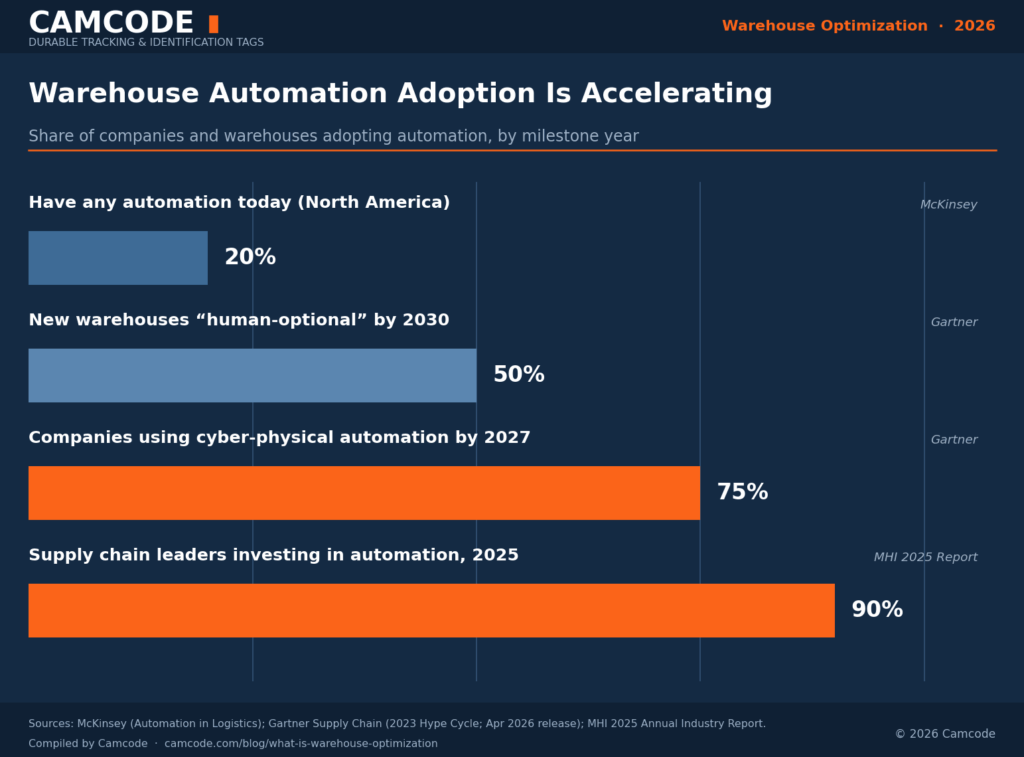
Warehouse optimization is the process of improving a warehouse’s operations (layout, workflows, technology and inventory management) to cut costs and move goods faster. It is now a board-level priority. 90% of supply chain leaders are investing in automation in 2025 (MHI 2025 Annual Industry Report).
Gartner expects more than 75% of companies to run cyber-physical automation in their warehouses by 2027. This guide breaks down the core levers (slotting and layout, automation, inventory accuracy and KPIs) and the practical steps to put them to work.
Warehouse optimization is key to running warehouses of every size efficiently. As a disciplined process, it covers automation and the deliberate work of saving time, space and resources while reducing errors and improving flexibility, communication, management and customer satisfaction.
Other considerations include warehouse flow, product placement, storage and retrieval systems. Warehouse optimization also includes automation and disciplined inventory management. It is central to lean warehouses and agile supply chains. The most efficient warehouses are the ones optimized to beat the competition on every level.
Warehouse optimization affects a company’s bottom line across many parts of the operation. The table below outlines key metrics that effective optimization can move.
| Metric | Potential Impact of Warehouse Optimization |
|---|---|
| Inventory Costs |
|
| Labor Costs |
|
| Operational Costs |
|
| Customer Satisfaction |
|
| Revenue/Profit |
|

Most of the challenges that arise in warehouse optimization are related to errors, inefficiency, and lack of transparency. Many warehouse managers correct these challenges with warehouse management systems, automated material handling systems, barcoding, and automated data collection.
As Apptricity CEO Tim Garcia notes, there are five common warehouse problems that pose challenges to warehouse optimization: inventory accuracy, inventory location, space utilization and warehouse layout, redundant processes, and picking optimization.
Here’s a in-depth look at each challenge:
Warehouse slotting optimization is the practice of assigning every SKU to the storage location that minimizes pick travel, based on demand, product size and order frequency. Travel between picks is the single most time-consuming part of order fulfillment, so slotting is one of the highest-return moves a warehouse can make without buying automation. Fast-moving (A-class) items go closest to packing and dispatch, slow movers go to the perimeter and frequently co-ordered items are grouped so one trip fills more of the order.
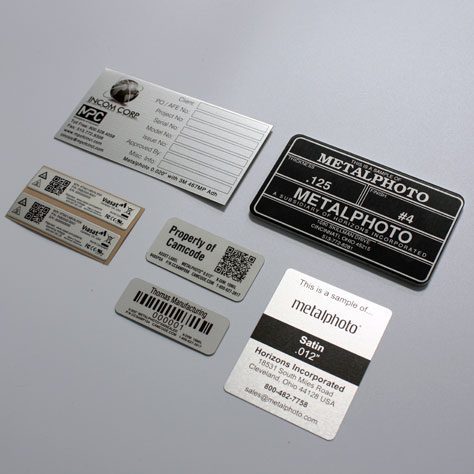
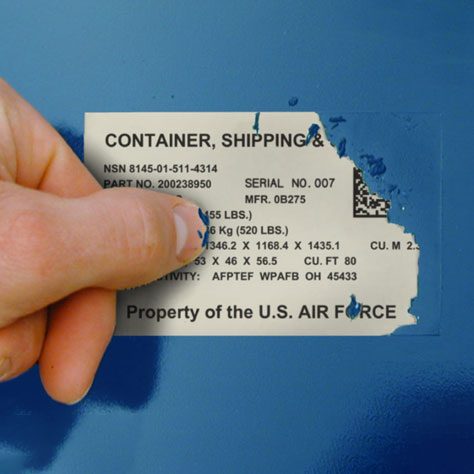
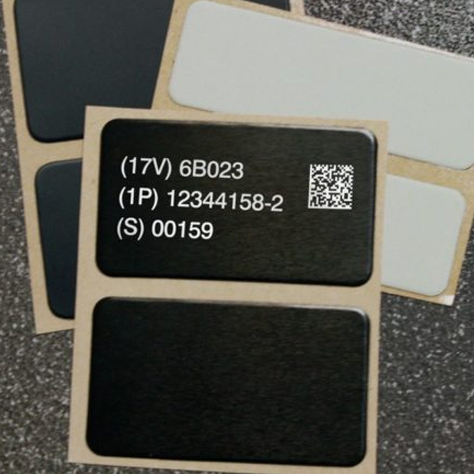
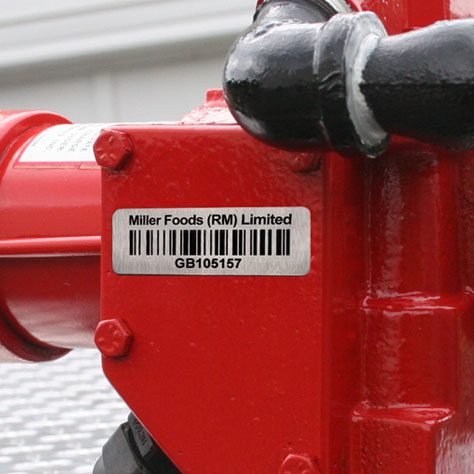
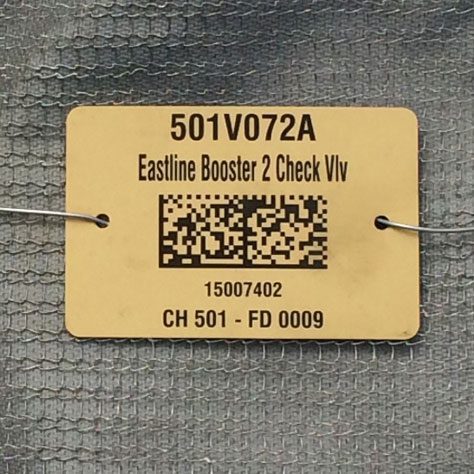
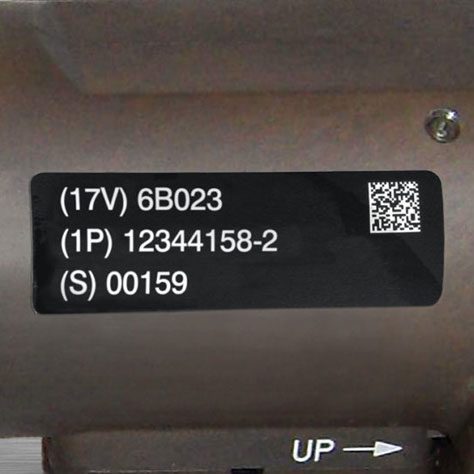
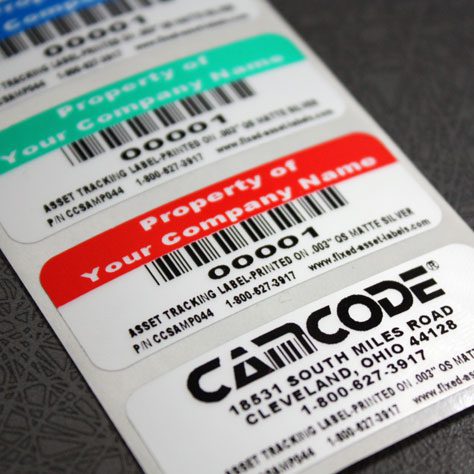
In one documented program, slotting and process changes lifted picker throughput from 92 to 121 picks per hour (a 31% gain) and cut labor cost per order from $1.43 to $1.08 (Tompkins Solutions). A clear warehouse labeling system is what makes a slotting plan executable: rack, bin and floor labels turn the optimized map into something pickers can follow on the floor.
Emerging technologies are reshaping warehouse operations and enabling deeper optimization. They cut manual steps, lift productivity and help warehouses keep pace with demand.
The main emerging technologies are:
AI-powered predictive analytics helps managers anticipate demand swings and tune inventory levels, lowering the risk of stockouts or excess stock.
AI continuously optimizes warehouse environments in real-time, shifting them from static structures into agile systems that adapt as demand changes.
– Abdil Tunca, Senior Principal Analyst, Gartner Supply Chain. Gartner, April 2026
That shift from static to adaptive is exactly what predictive analytics delivers on the warehouse floor.
IoT sensors and devices give real-time visibility into operations, supporting tighter monitoring and control of workflows.
Autonomous mobile robots (AMRs) and automated guided vehicles (AGVs) take on repetitive picking, sorting and transport, raising productivity and accuracy while lowering labor cost. Amazon, Walmart and DHL have deployed these technologies and report meaningful gains in efficiency and throughput.
The scale of this shift is now measurable. As Gartner’s supply chain research puts it:
By 2027, over 75% of companies will have adopted some form of cyber-physical automation within their warehouse operations.
– Dwight Klappich, VP Analyst and Gartner Fellow, Gartner Supply Chain. Gartner, August 2023
For most warehouses the question is no longer whether to automate, but which steps to automate first.
By embracing these emerging technologies, warehouses can streamline operations, minimize errors, and enhance overall competitiveness in today’s fast-paced business landscape.
The integration of AI, IoT, robotics, and automated material handling systems is driving significant improvements in warehouse efficiency, accuracy, and productivity across key areas like inventory management, order fulfillment, and shipping/receiving.
Real programs show the range of outcomes. Slotting and process redesign moved one operation from 92 to 121 picks per hour with no new equipment (Tompkins Solutions).
On the automation end, McKinsey documents a program that quadrupled productivity, cut space usage 20% and delivered roughly 20% run-rate savings. Large operators like Amazon, DHL and Walmart pair both approaches, layering AMRs and AS/RS on top of disciplined slotting and labeling.
The pattern is consistent: get the low-capital fundamentals right first, then automate the steps that remain expensive.
Optimizing the layout and design of a warehouse is crucial for maximizing space utilization and workflow efficiency. Key factors to consider in warehouse layout optimization include:
For effective warehouse layout planning, follow these best practices:
By carefully considering these factors and adopting a strategic approach to warehouse layout optimization, companies can significantly improve their operational efficiency, productivity, and customer service levels.

Effectively measuring the success of warehouse optimization efforts is crucial for identifying areas of improvement and quantifying the impact of implemented changes. Key performance indicators (KPIs) and metrics play a vital role in this process.
Some of the essential KPIs for measuring warehouse optimization success include:
To effectively measure the success of warehouse optimization, companies should:
By closely monitoring these key performance indicators, warehouse managers can make data-driven decisions, optimize workflows, and continuously improve the efficiency and effectiveness of their warehouse operations.
Warehouse optimization spans a wide cost range. Low-capital moves (reslotting, relabeling, revised pick paths and WMS configuration) often pay back in months because they cut labor hours without new equipment. Capital-heavy automation (AS/RS, AMRs, conveyor) runs into the millions and is justified on multi-year labor and throughput gains.
The returns are well documented: McKinsey reports that automated picking systems can improve order-fulfillment speed by up to 300%, with one program delivering a fourfold productivity increase and a 20% reduction in space usage. Only about 20% of North American warehouses have adopted any automation, so the competitive gap is still open.
Use the savings calculator below to size the labor payback for your facility before committing capital.
■ CAMCODE
Warehouse Optimization Savings Calculator
Estimate the annual picking-labor savings an optimization program can unlock by raising picker throughput. Enter your numbers and the result updates as you type.
Current annual picking-labor cost = pickers × loaded hourly wage × picking hours per day × operating days per year.
When throughput rises by U percent, the same order volume is picked in fewer labor hours. Hours freed = current hours × (1 − 1 / (1 + U)). Savings = hours freed × loaded hourly wage. Capacity freed is shown both as raw picker-hours and as the equivalent number of full-time pickers (1 FTE = your picking-hours-per-day × operating-days figure).
The default 31% uplift reflects a documented slotting-and-process case study (Tompkins Solutions). Slotting alone can cut picker travel time by roughly half, and travel is the single most time-consuming part of order picking. Outputs are estimates based on your inputs, not a guarantee.
When optimizing warehouse operations, automation should be your top priority. The more you automate picking, packing, and shipping processes, the fewer human touches are required for products and orders.
Automation via warehouse management systems and warehouse control systems makes it possible to manage materials handling equipment in real time and clues in warehouse managers to possible bottlenecks.
From a high-level perspective, these the most important tips and best practices for optimizing warehouse operations and efficiency:
Implementing these best practices can help warehouses achieve higher operational efficiency, reduce costs, improve customer service, and gain a competitive advantage.
The software behind an optimized warehouse usually has four layers.
Barcode and RFID data capture sits underneath all four, which is why a durable warehouse labeling system is the foundation this software depends on.
For a deeper comparison, see our roundup of the best warehouse optimization software tools.
Improving warehouse performance is a multifaceted project that requires a strategic and comprehensive approach. By addressing key areas such as layout and design optimization, warehouse automation, inventory management, and process optimization, companies can drive significant improvements in efficiency, productivity, and customer service.
In summary, the key areas to focus with optimizing a warehouse are:
The core factors are layout and slotting, automation, inventory accuracy and KPI-driven continuous improvement. The highest-return strategy for most warehouses is slotting fast-moving items closest to dispatch to cut pick travel, backed by a clear labeling system and the right warehouse optimization software tools.
Measuring the success of warehouse optimization efforts is crucial for identifying areas of improvement and quantifying the impact of implemented changes. Key performance indicators (KPIs) and metrics to track include:
Companies should establish baseline measurements, regularly monitor the KPIs, and use the data to drive continuous improvement in their warehouse operations.
The most effective means to drive continuous improvement in your warehouse as part of your optimization efforts are to:
The 5S rule is a lean method for organizing a workspace through five steps:
In a warehouse, 5S reduces search time, exposes safety hazards and is usually the first step before slotting or automation.
Five core warehouse KPIs are:
Tracked together, they show whether an optimization effort is improving speed, accuracy and cost.
Five proven ways to improve warehouse efficiency are:
Our sales engineers are experts in automatic asset tracking, tagging and identification,a nd can answer all your questions. Get in touch now.
Lets Talk ›Enter your information and get a free checklist of the top questions to answer and tips to plan a successful asset tagging project for any warehouse management system implementation.